Elvantis
Elvantis
Elvantis
Explore our industrial-grade computing nodes, ultra-resilient NAS arrays, and enterprise servers designed to eliminate single points of failure in mission-critical environments.
Analyzing the Convergence of High-End Compute, Low-Latency Hardware Interconnects, and AI-Driven High Availability.
In the contemporary digital landscape, data loss and operational downtime do not merely constitute financial losses—they pose severe existential threats to enterprises worldwide. As artificial intelligence models scale exponentially, and transactional workloads demand absolute availability, traditional software-only backup mechanisms have become obsolete. Modern Disaster Recovery (DR) Solutions rely on robust, highly redundant, and dynamically fail-safe physical infrastructures manufactured to withstand both logical and physical system anomalies.
By shifting focus towards the physical and hardware layers of the topology, modern engineering allows systems to attain near-zero Recovery Time Objectives (RTO) and Recovery Point Objectives (RPO). This standard of data protection requires high-density server configurations, resilient Network-Attached Storage (NAS), solid-state storage with exceptional write endurance, and high-bandwidth interconnect host bus adapters (HBAs) that support uninterrupted, real-time synchronous data replication.
Deep engineering expertise, state-of-the-art diagnostic protocols, and global distribution of next-generation server clusters.
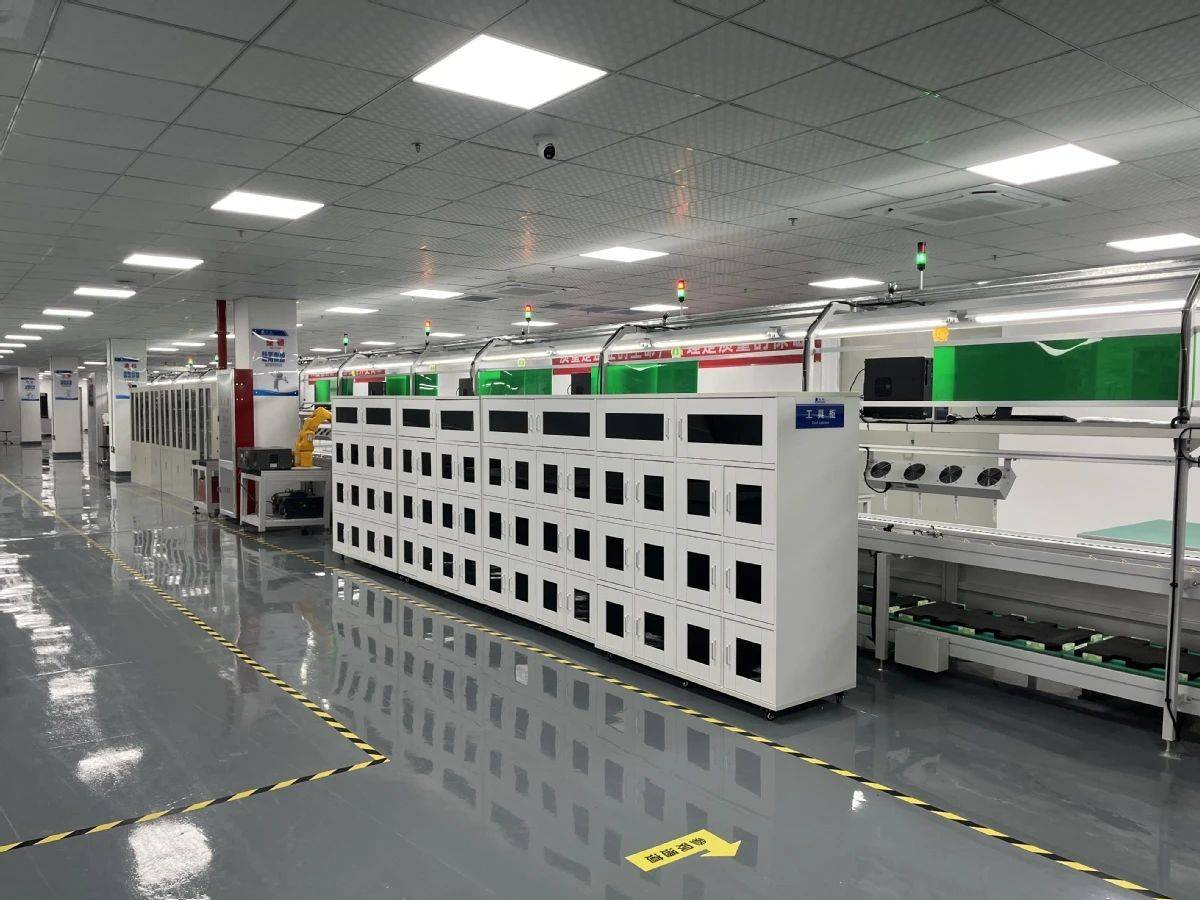
Elvantis Mesh Systems Ltd. (elvantismesh.com) is a leading manufacturer of high-performance AI GPU servers, network storage, and custom enterprise computing platforms. Established in 2016, Elvantis has designed resilient solutions specifically optimized for high-performance computing (HPC), AI model validation, and disaster recovery workloads. Operating from a modern production facility spanning 380㎡, the company handles in-house R&D, integration, multi-stage thermal burn-in testing, and quality assurance workflows.
With over 10 years of industry experience and 7 years of direct export operations, Elvantis has successfully exported server racks, custom bare-metal nodes, and storage expansion units to data centers across North America, Europe, the Middle East, and Southeast Asia. The company's annual export revenue has reached approximately USD 12 million, proving its capacity to deliver high-quality, carrier-grade hardware to highly regulated markets.
Why domestic industrial production pipelines represent the gold standard for high-availability enterprise hardware sourcing.
With an extensive ecosystem of 850+ partners, China factories secure Tier-1 components (processors, memory controllers, and enterprise-grade storage components like PM893 SSDs) with minimal lead times, shielding global clients from localized disruptions.
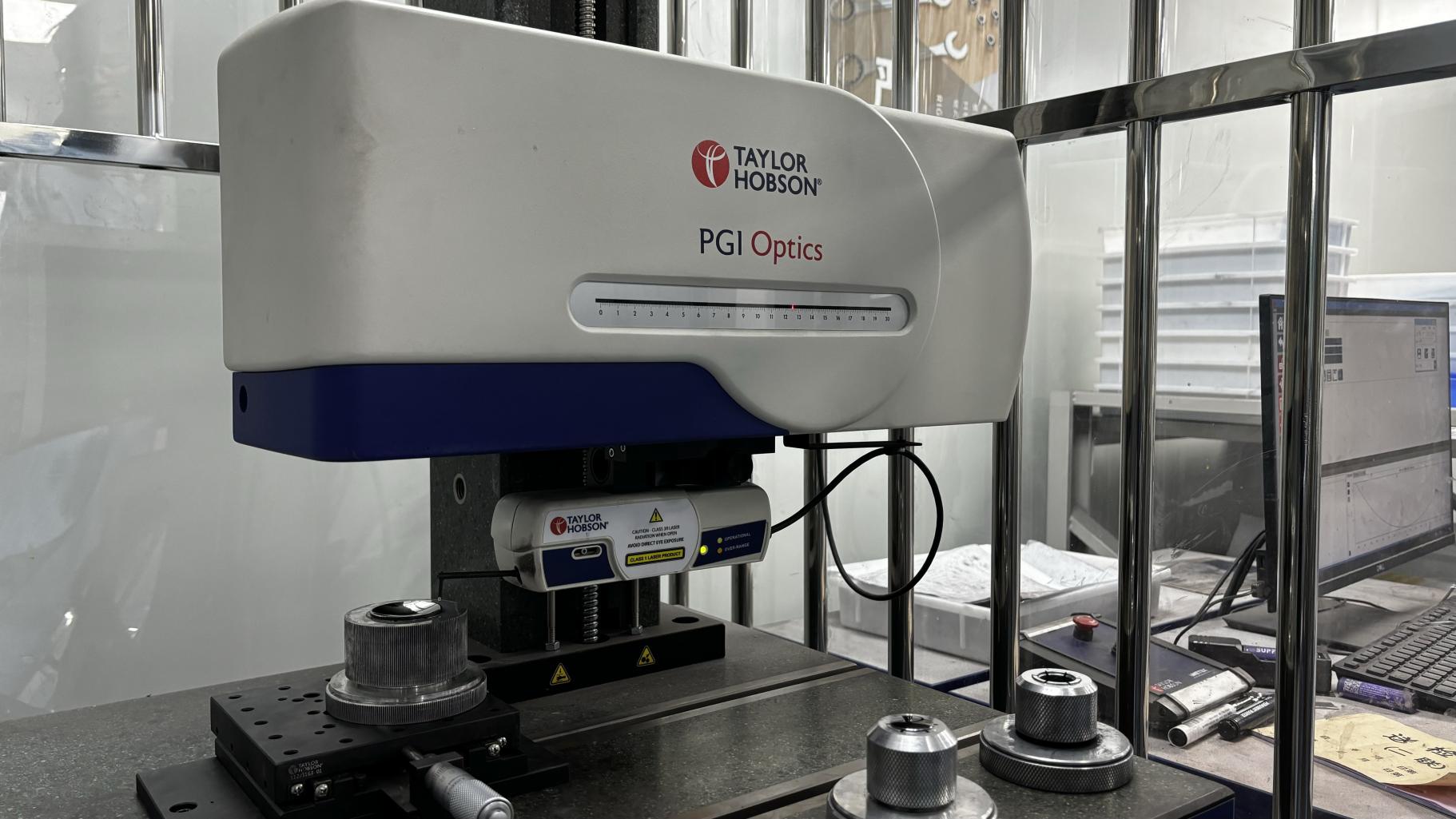
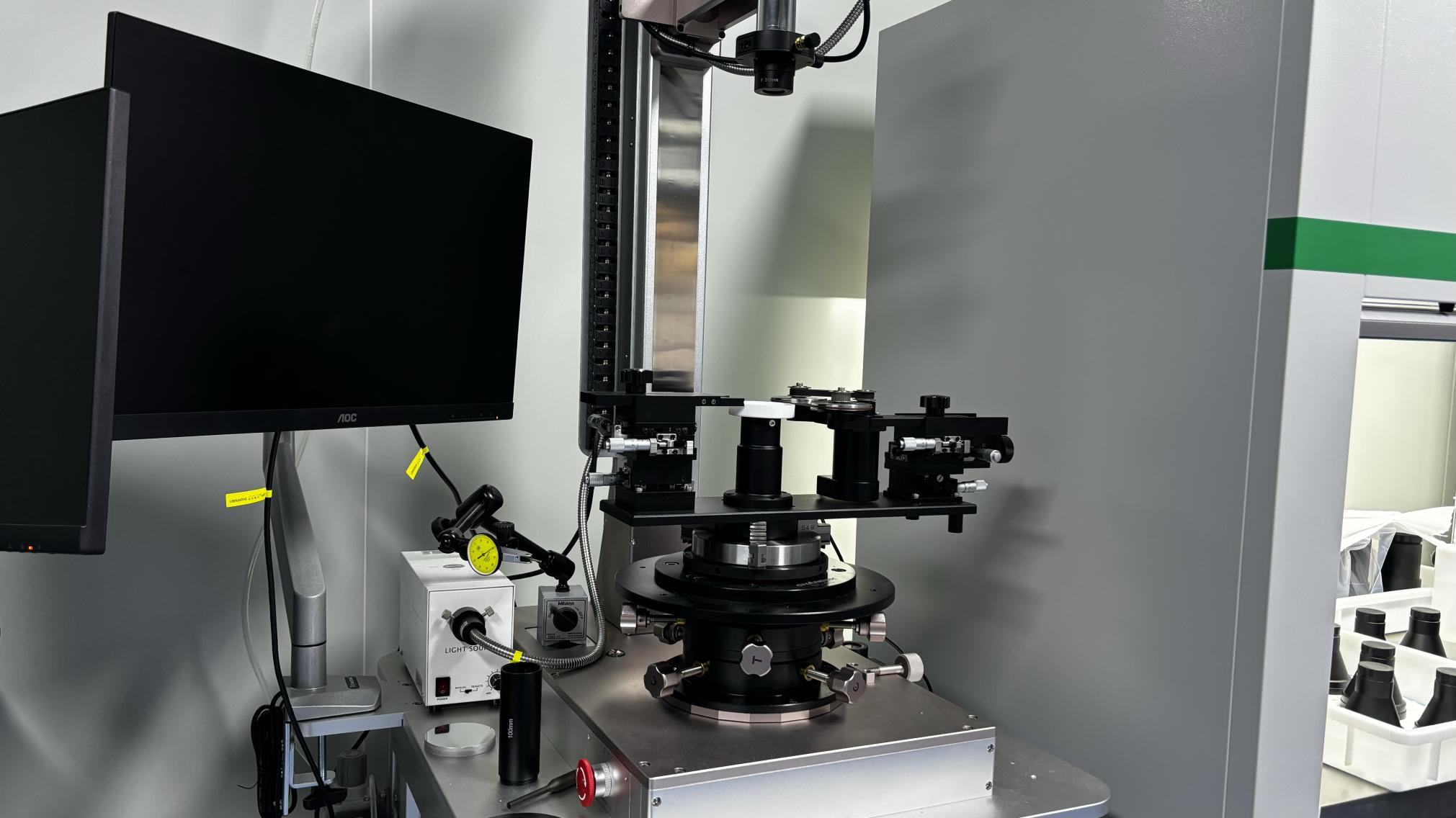
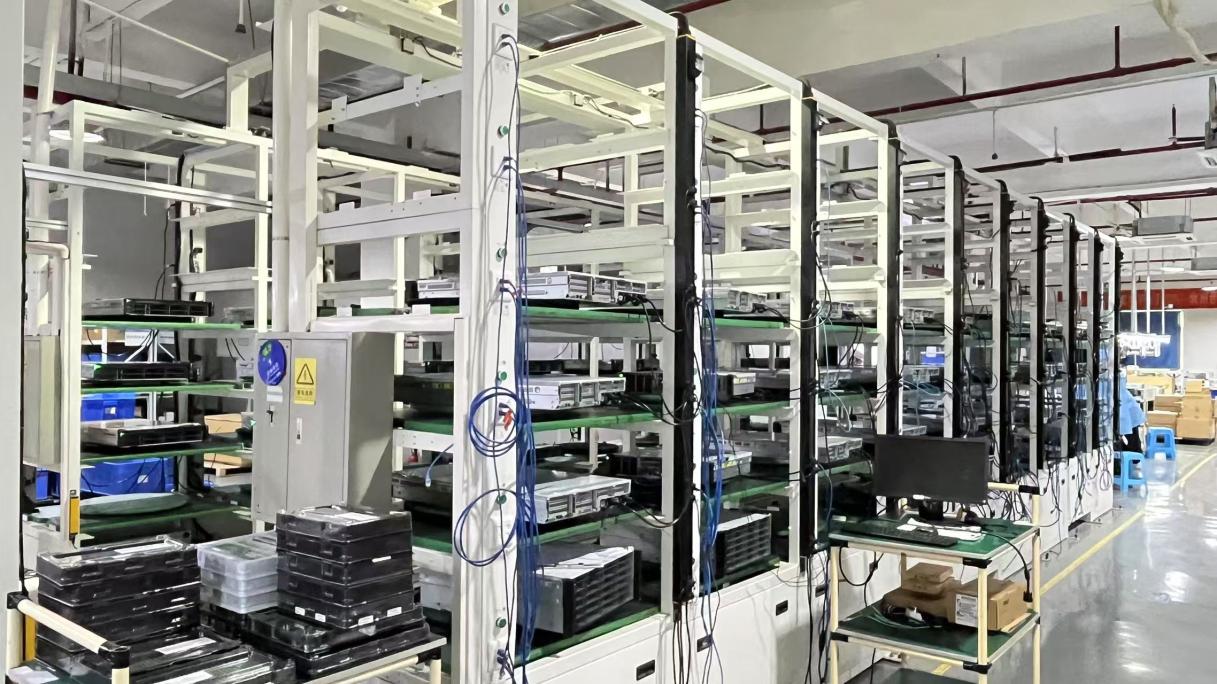
Elvantis utilizes a dedicated QC team of 35 certified professionals. Every node undergoes automated optical inspection (AOI), high-temp thermal burn-in chamber validation, hardware system diagnostics, and peak network workload simulations.
Supported by 180 technical R&D engineers, we customize computing chassis depth, optimize backplane storage routing for NVMe/SAS drives, configure BIOS for PXE recovery boots, and tailor liquid cooling blocks for high-density setups.
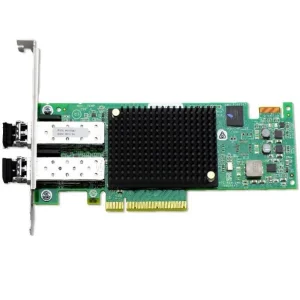
Our solutions deploy ultra-fast fiber channel cards, like Emulex dual-port LPe35002-M2 32GB FC32, ensuring data transfer rates up to 32Gbps. This effectively eliminates latency gaps when syncing remote primary servers with target disaster units.
Launching 120 new products annually keeps our production lines responsive to tech updates, such as next-gen DDR5 platforms, PCIe Gen 5 configurations, and AI cluster architectures optimized for DeepSeek models.
Our proximity to primary copper, steel, and semiconductor hubs enables us to offer competitive pricing without sacrificing the build quality, gold-plated connectors, or server certifications required by international buyers.
Understanding how hardware systems adapt to distinct sector recovery guidelines and technical parameters.
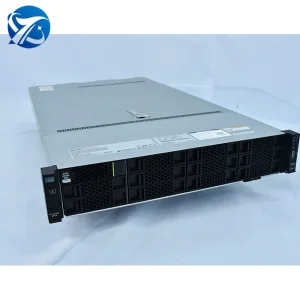
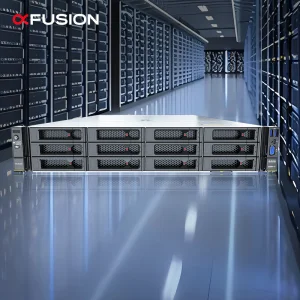
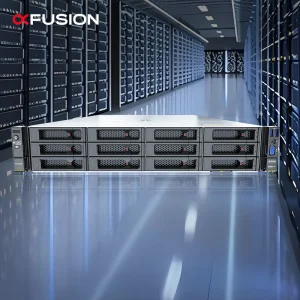
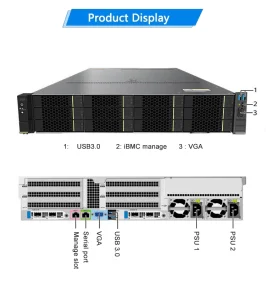
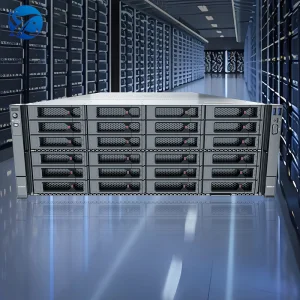
In retail banking, micro-transactions, and trading systems, database state synchronization must happen in real time. We build dedicated server racks (utilizing xFusion 2288H V7 and Dell PowerEdge systems) equipped with Emulex LPe35002-M2 32GB FC32 Host Bus Adapters. These units are configured with redundant controllers and dual-power inputs. By creating cross-connected fiber paths between primary and secondary sites, write commands are committed synchronously. If the primary site experiences power or network failure, hardware-level heartbeat monitors execute failovers, redirecting workloads to the standby cluster in milliseconds.
Training massive neural networks, such as DeepSeek-R1, requires weeks of continuous GPU computation. A single hardware failure can crash the training run, losing days of progress. Our high-density server configurations (such as the FusionServer G5500 V7 and custom multi-GPU systems) use PCIe Gen 5 topologies to write checkpoint files directly to local, high-speed write-intensive NVMe solid-state arrays. These configurations feature servers optimized for read/write longevity (like the PM893 SATA and U.3 NVMe drives), ensuring that training runs can resume from the last known state within minutes of a node fault.
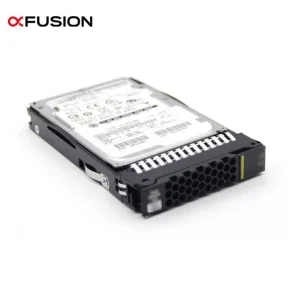
For data archiving, compliance, and large-scale file systems, cost-efficient high-capacity storage is essential. Using SAS/SATA hybrid backplanes loaded with universal NL SAS HDDs (ranging from 4TB up to 12TB), we engineer multi-petabyte backup targets. These arrays are linked using high-bandwidth network protocols to store encrypted, deduplicated secondary copies of enterprise data. Integrated hardware controllers execute parity checks (RAID 6/60) to protect against simultaneous drive failures during long recovery processes.
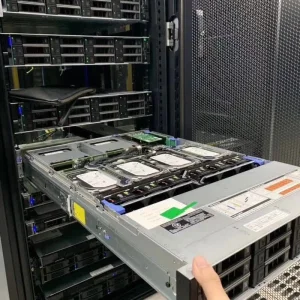
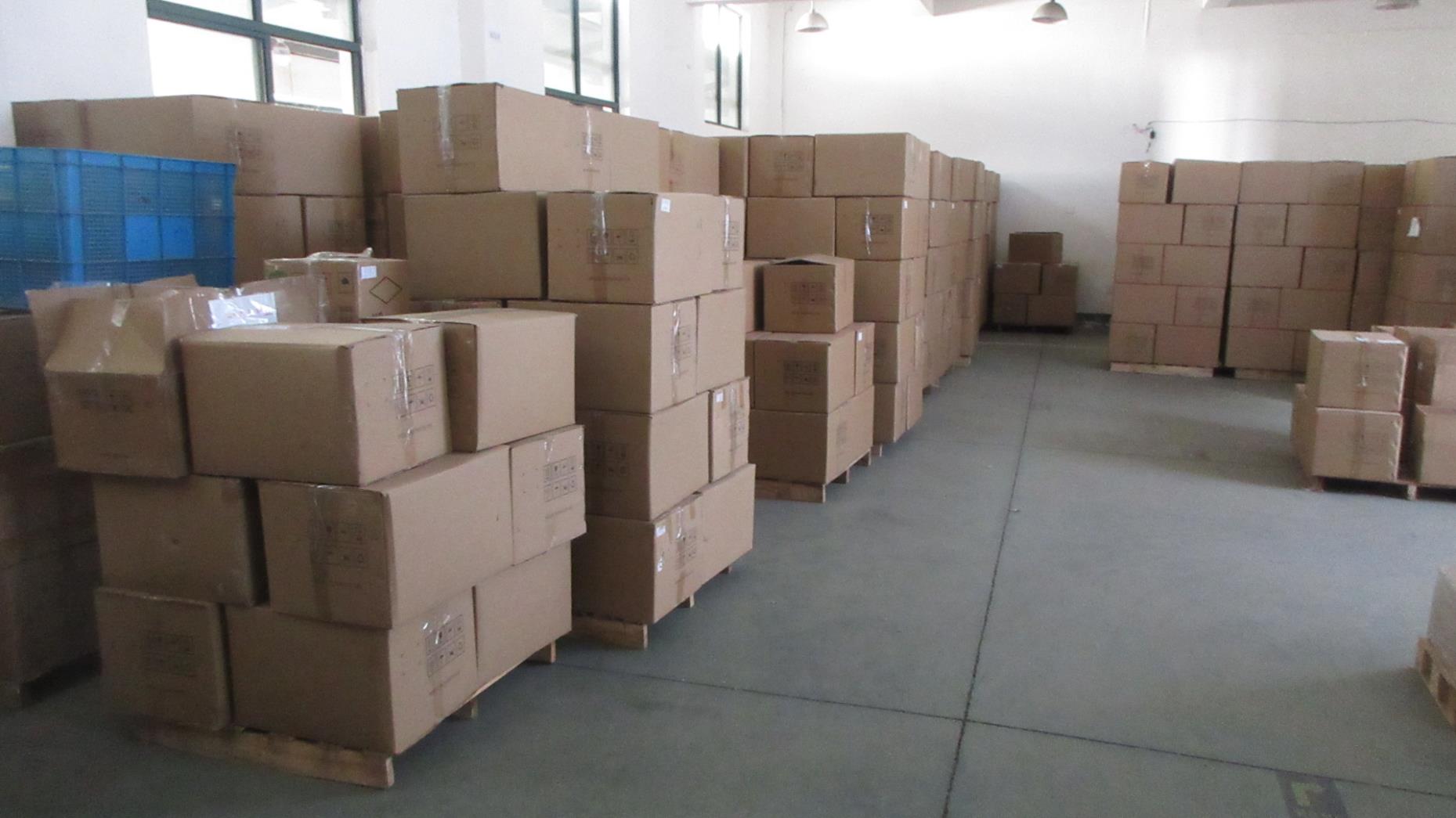
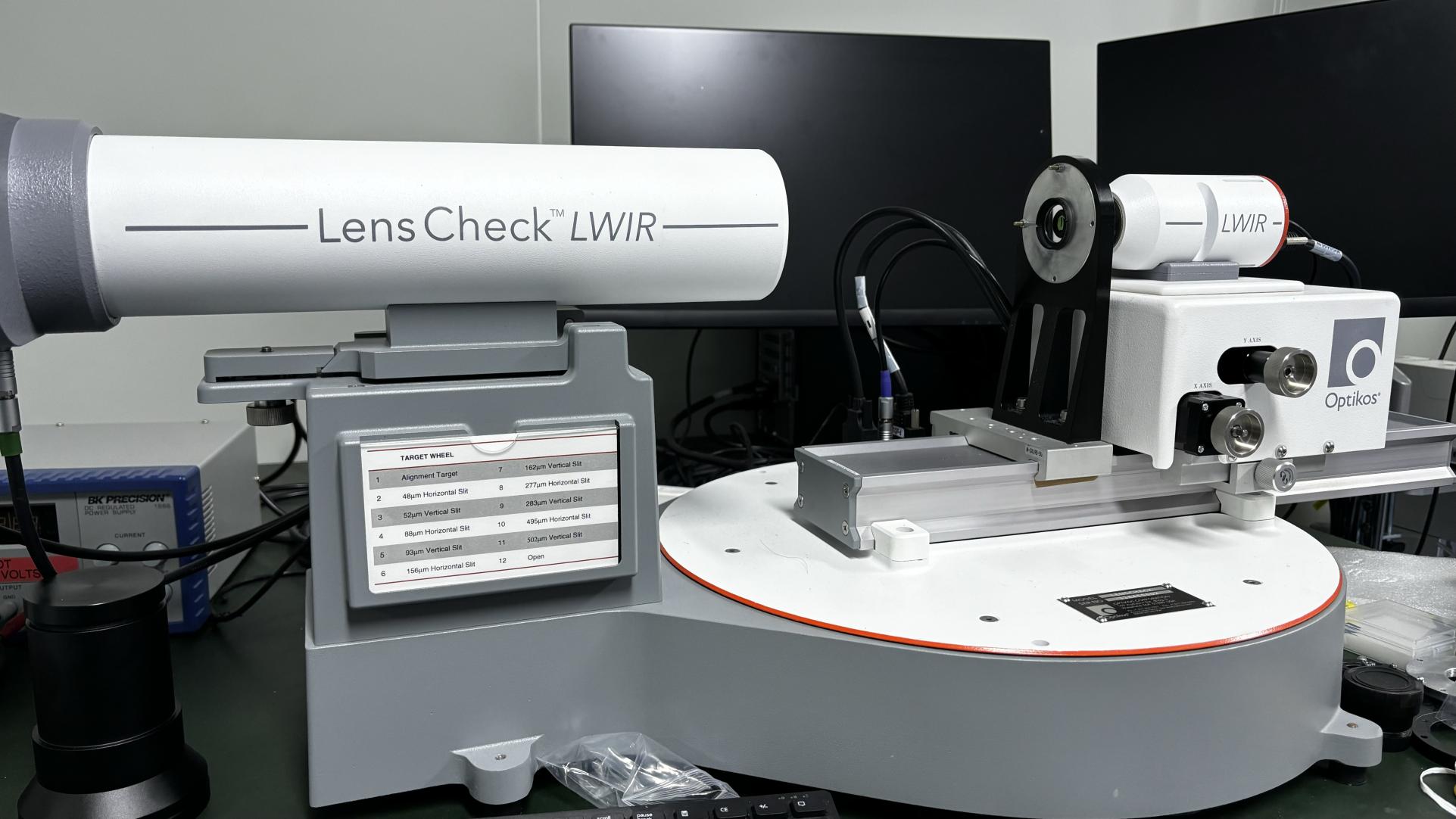
A look at the assembly lines, automated stress testing systems, and thermal burn-in facilities behind our servers.
Key standards, hardware compatibility protocols, and supply chain logistics for cross-border infrastructure deployment.
Purchasing enterprise disaster recovery hardware requires careful planning across multiple engineering and regulatory fronts. High-availability systems cannot exist as isolated entities; they must integrate seamlessly into existing hybrid topologies, connecting with legacy on-premise infrastructure, private clouds, and global public networks. Procurement teams must focus on three main areas to ensure long-term system stability:
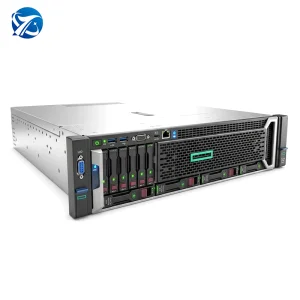
To avoid vendor lock-in, international enterprises design their DR topologies using hardware that complies with standard architecture specifications (such as IPMI 2.0, PCIe standard form factors, and standard rack sizing). By procuring xFusion, HPE ProLiant Gen12, and Dell PowerEdge platforms built with standardized components (like Emulex controllers and PM893 SATA solid-state drives), IT teams ensure replacement parts remain accessible worldwide. This compatibility also ensures seamless clustering and hardware failovers across disparate physical systems.
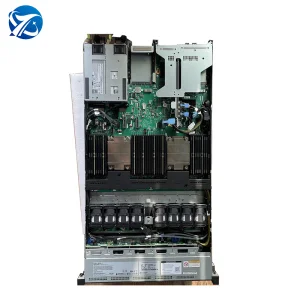
Disaster recovery nodes often sit in standby modes, but they must spin up to 100% capacity at a moment's notice during primary system failures. This sudden load surge generates significant thermal spikes and high power draws. Procurement specifications must mandate high-efficiency power supplies (Titanium/Platinum level, e.g., 900W, 1600W, or 2000W redundant PSUs) and advanced fan controllers. Elvantis designs custom server motherboards and chassis with optimal fan pathways to prevent thermal throttling, protecting hardware lifespans during extended recovery periods.
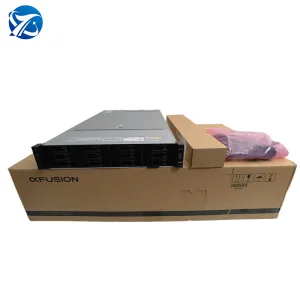
Shipping complex IT hardware globally requires strict adherence to international export laws, electrical standards, and safety certifications (CE, FCC, RoHS, UL). Elvantis' export team handles all customs, export packaging, and safety paperwork, minimizing clearance times. Additionally, we use custom-molded, static-dissipative foam packaging to protect components from transport vibrations, ensuring nodes arrive in ready-to-deploy condition.
Expert insights on hardware selection, architecture optimizations, and common failover bottlenecks.
Complete your disaster recovery topology with high-performance storage arrays, high-speed network interfaces, and flexible node controllers.