Elvantis
Elvantis
Elvantis
Deploy industry-leading computational hardware designed for extreme thermal workloads, deep learning execution, and highly virtualized cloud deployments.
China's computing hardware manufacturing sector has shifted from basic component assembly to advanced wafer-level integration, thermal dynamics design, and complex server node fabrication. Sourcing directly from top-tier Chinese manufacturers yields clear competitive advantages.
From die-packaging and high-density PCB designs to advanced cooling modules, all crucial nodes are concentrated within localized industrial zones, greatly minimizing manufacturing cycle times.
Utilizing high-performance hardware diagnostic platforms, including automated optical inspections (AOI) and real-world system-level stress tests (SLT), guarantees that servers meet mission-critical uptime targets.
Whether testing next-generation PCIe Gen 5 routing, liquid cooling setups, or complex FPGA co-processor layouts, manufacturers can develop, test, and refine designs with high efficiency.
Founded in 2016, Elvantis Mesh Systems Ltd. is a high-performance AI GPU server manufacturer specializing in scalable computing infrastructure for artificial intelligence, high-performance computing (HPC), and enterprise data center deployments. We focus on designing advanced GPU cluster systems with optimized thermal architecture and flexible deployment configurations.
Operating a specialized facility focused on integrated R&D, assembly, testing, and strict quality assurance processes, Elvantis has accumulated over 10 years of industry experience and 7 years of export experience, serving global enterprise clients across multiple high-tech sectors.
With an annual export revenue of approximately USD 12 million and a robust supply chain network of about 850 cooperative partners, Elvantis ensures stable production capacities and efficient sourcing of high-quality components for clients worldwide.
The landscape of enterprise silicon is shifting rapidly. Standard computing setups are evolving into heterogeneous frameworks tailored for AI workloads, large language models (LLMs), and low-latency storage topologies.
By splitting larger dies into specialized silicon blocks (compute, I/O, memory), manufacturers bypass physical lithography limits. This allows for higher yields and lower production costs for high-core-count enterprise processors.
Modern workloads demand that CPUs work alongside custom accelerators (GPUs, TPUs, NPUs). High-speed interconnect architectures like PCIe Gen 5 and CXL (Compute Express Link) permit efficient, shared memory pools between processors and accelerator cards.
With open-weight AI architectures like DeepSeek R1 demanding immense computing power, systems must support ultra-wide memory buses (DDR5/HBM) to avoid memory bottlenecks during large-scale inferencing.
Transitioning from traditional SATA/SAS to NVMe-over-Fabrics (NVMe-oF) and high-speed network topologies (using active copper and optical interlinks) enables real-time throughput for intensive analytical databases.
As server racks surpass 50kW power densities, standard air cooling is reaching its limits. Factories are actively developing liquid-to-air loop integrations, rear-door heat exchangers, and direct-to-chip liquid cooling setups.
Root-of-Trust (RoT) architecture embedded directly in the motherboard firmware guarantees cryptographic protection against unauthorized modifications from initialization to runtime.
Deploying enterprise processors and servers requires aligning hardware with specific operational needs. Below are four key scenarios where custom configurations deliver performance advantages.
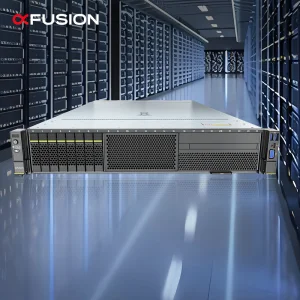
To run large AI workloads, data centers rely on dual-socket architectures configured with DDR5 memory, PCIe Gen 5 slots, and high-wattage power supplies (up to 1500W). This combination handles GPU current draw during massive compute cycles.
Recommended Setup: Dual Intel Xeon Scalable or AMD EPYC processors paired with multi-GPU architectures (like 8x H100/L40S configurations) and low-latency storage interfaces for processing deep learning layers.
Cloud service providers require high virtual machine (VM) density per unit. This requires high core counts, robust hypervisor support, and efficient virtualization security features.
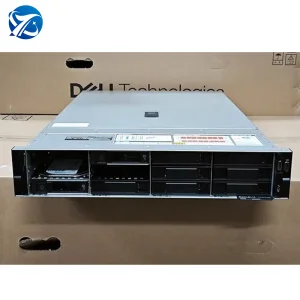
Recommended Setup: 2U dual-socket servers configured with energy-efficient processors (e.g., Xeon 4410Y or high-core-count ARM chips), large RAM capacity (512GB+ DDR5), and redundant power supplies to maximize uptime.
Edge nodes and local Network Attached Storage (NAS) configurations demand low-latency throughput, reliable local raid options, and energy efficiency. These systems process data closer to where it is generated, reducing long-distance network travel.
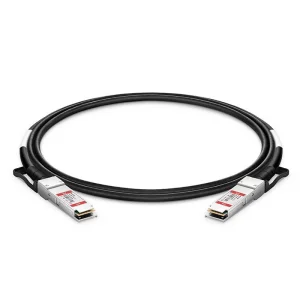
Recommended Setup: Compact 1U or short-depth 2U rack servers equipped with high-speed direct-attach cables (like QSFP+ 10G/40G configurations) and dense storage drive support.
Financial workloads and transactional databases demand maximum single-thread speeds, low memory latency, and rapid read-write speeds to prevent transaction delays.
Recommended Setup: Custom-tuned processors with high base-clock frequencies, paired with high-frequency DDR5 memory, and direct-attached PCIe Gen 5 NVMe SSDs.
Our testing labs follow a rigorous validation system. Check out some of our factory production processes, R&D facilities, and testing environments:
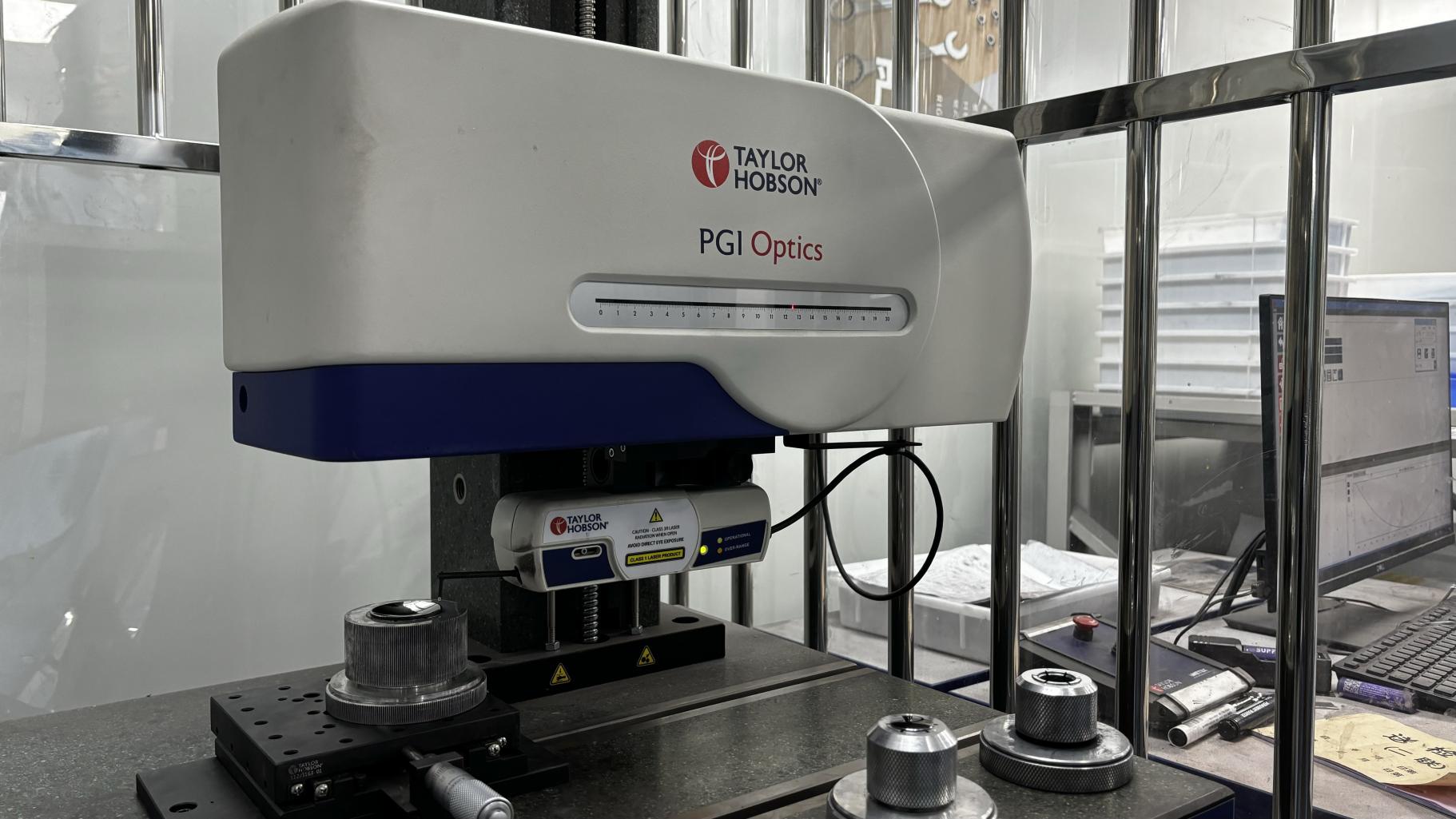
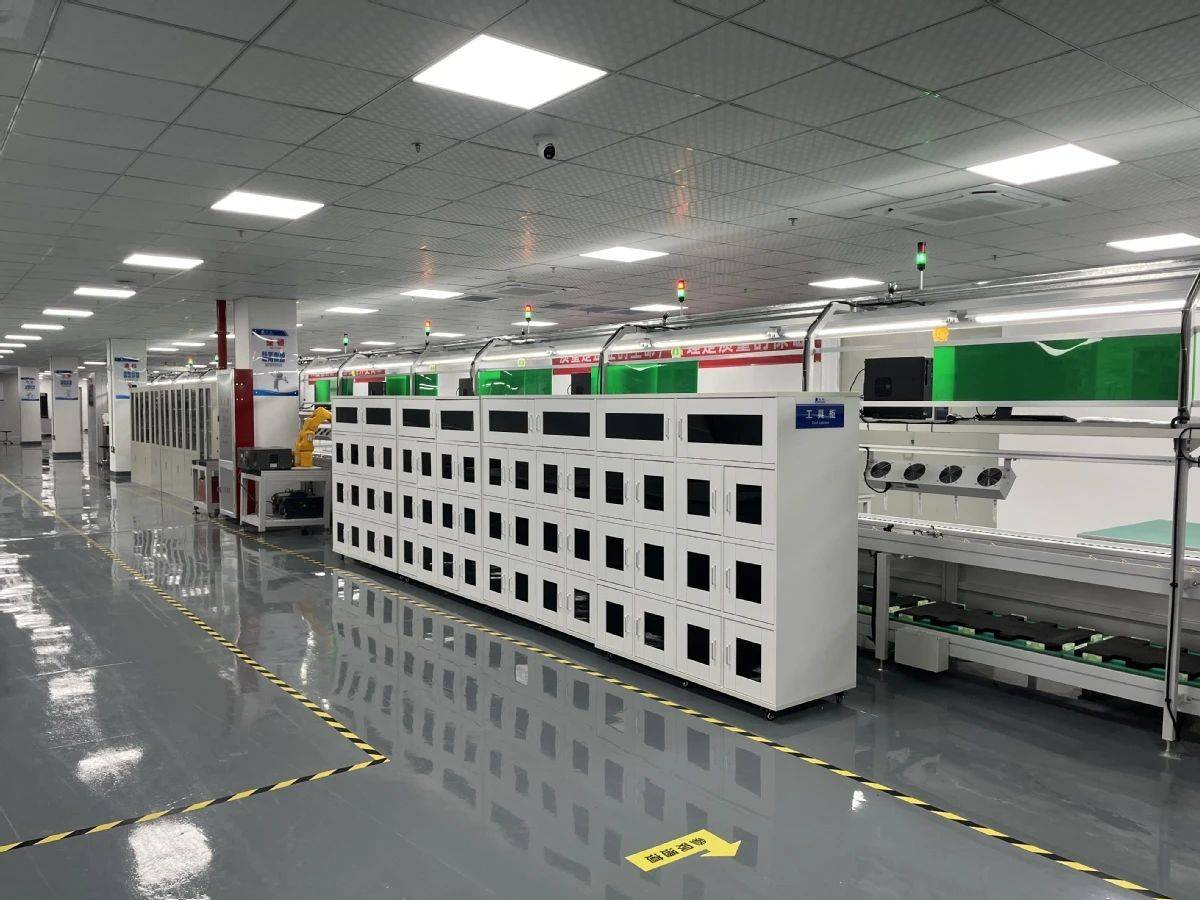
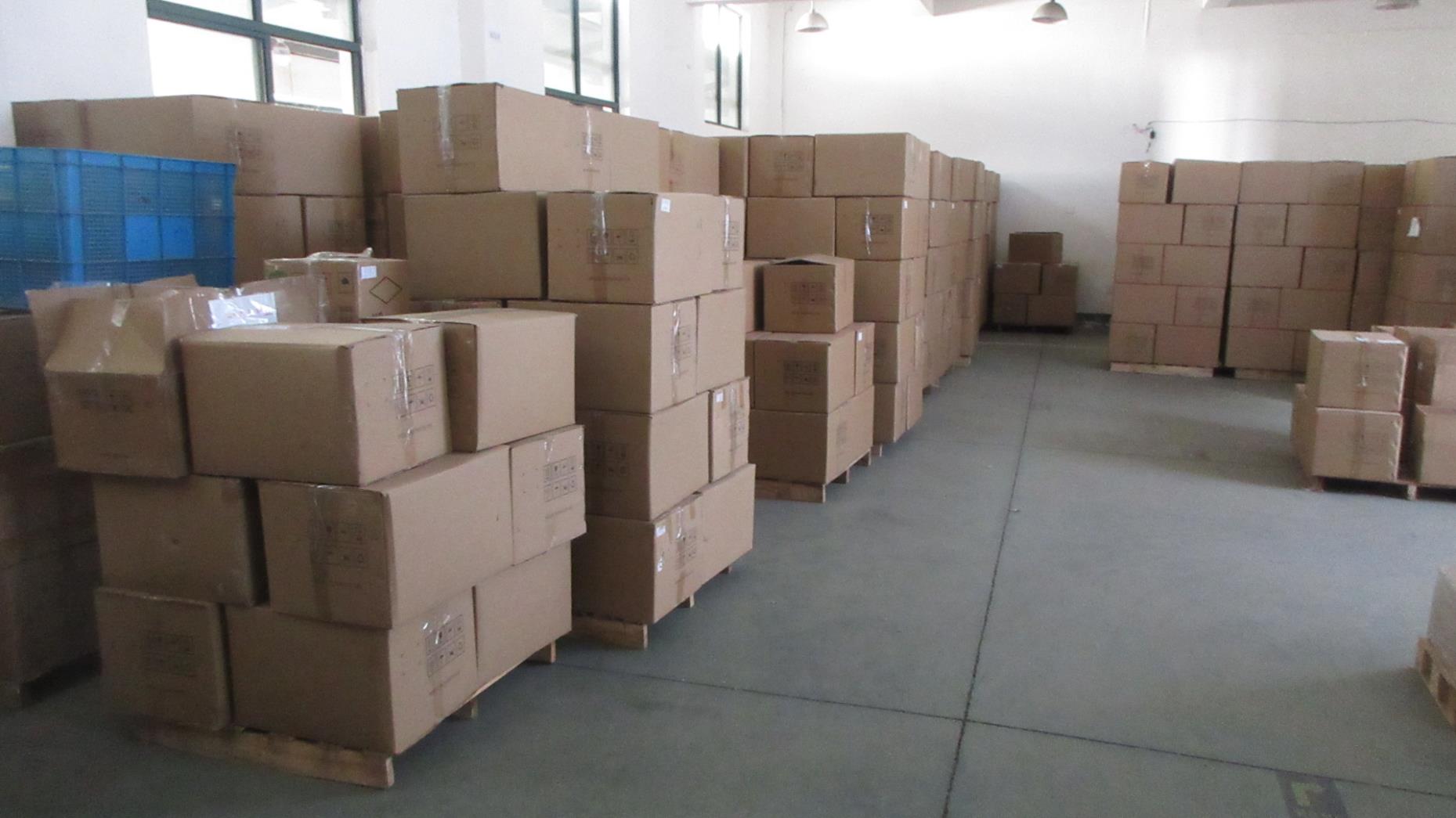
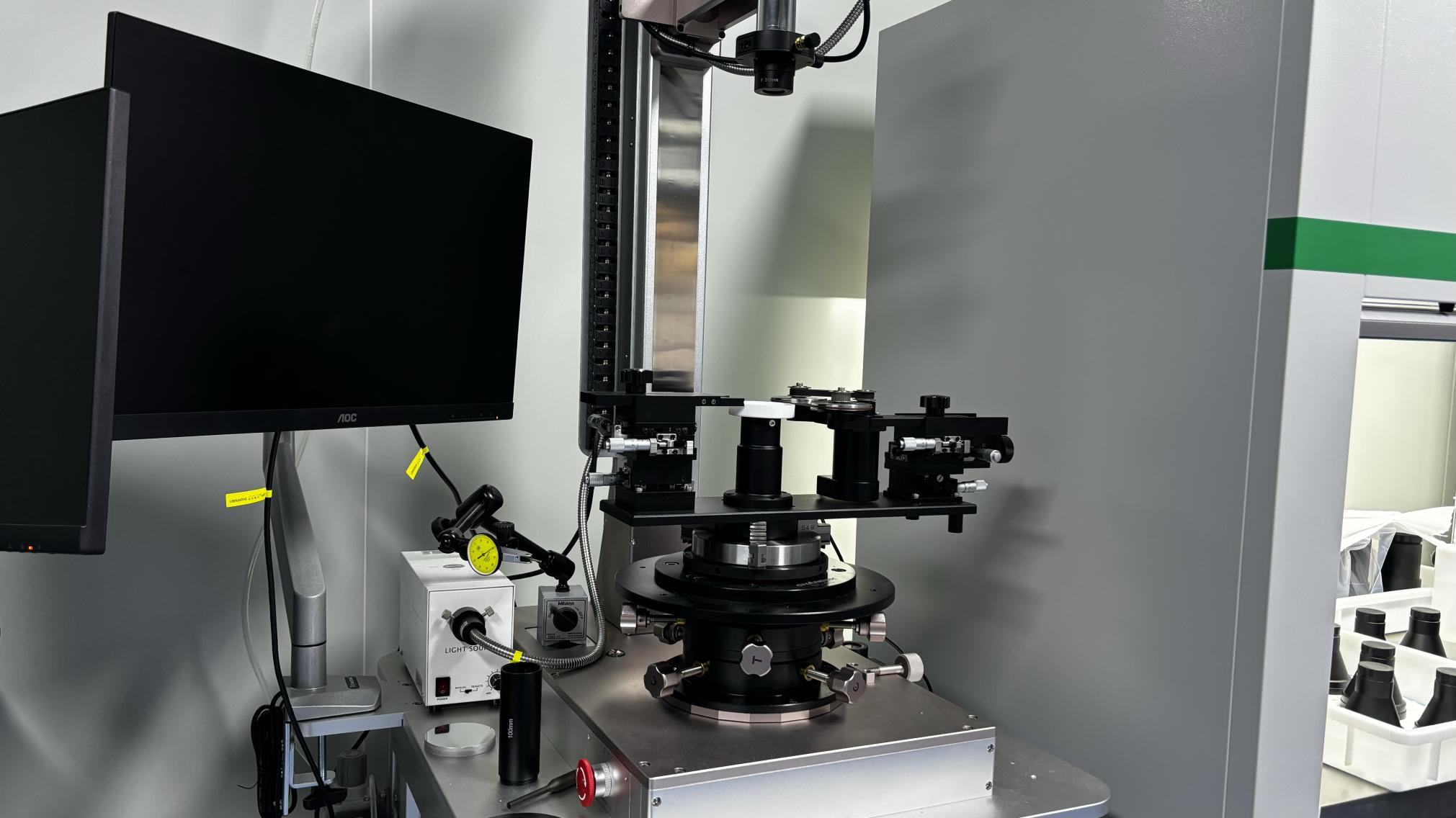
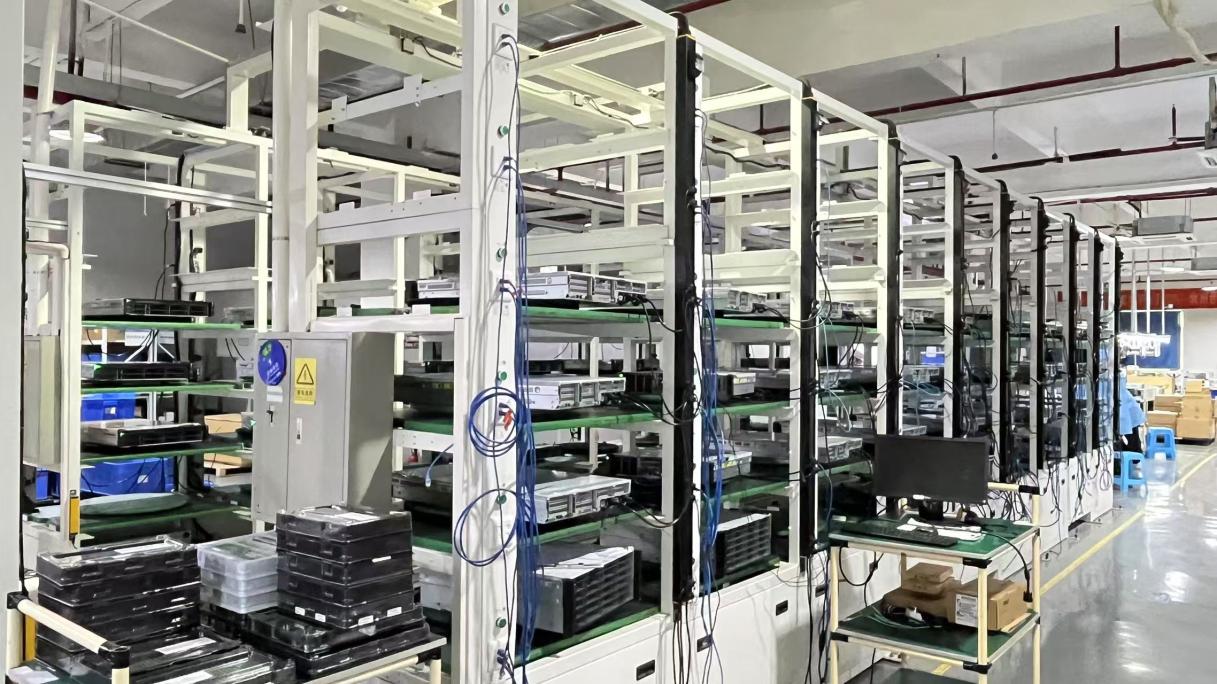
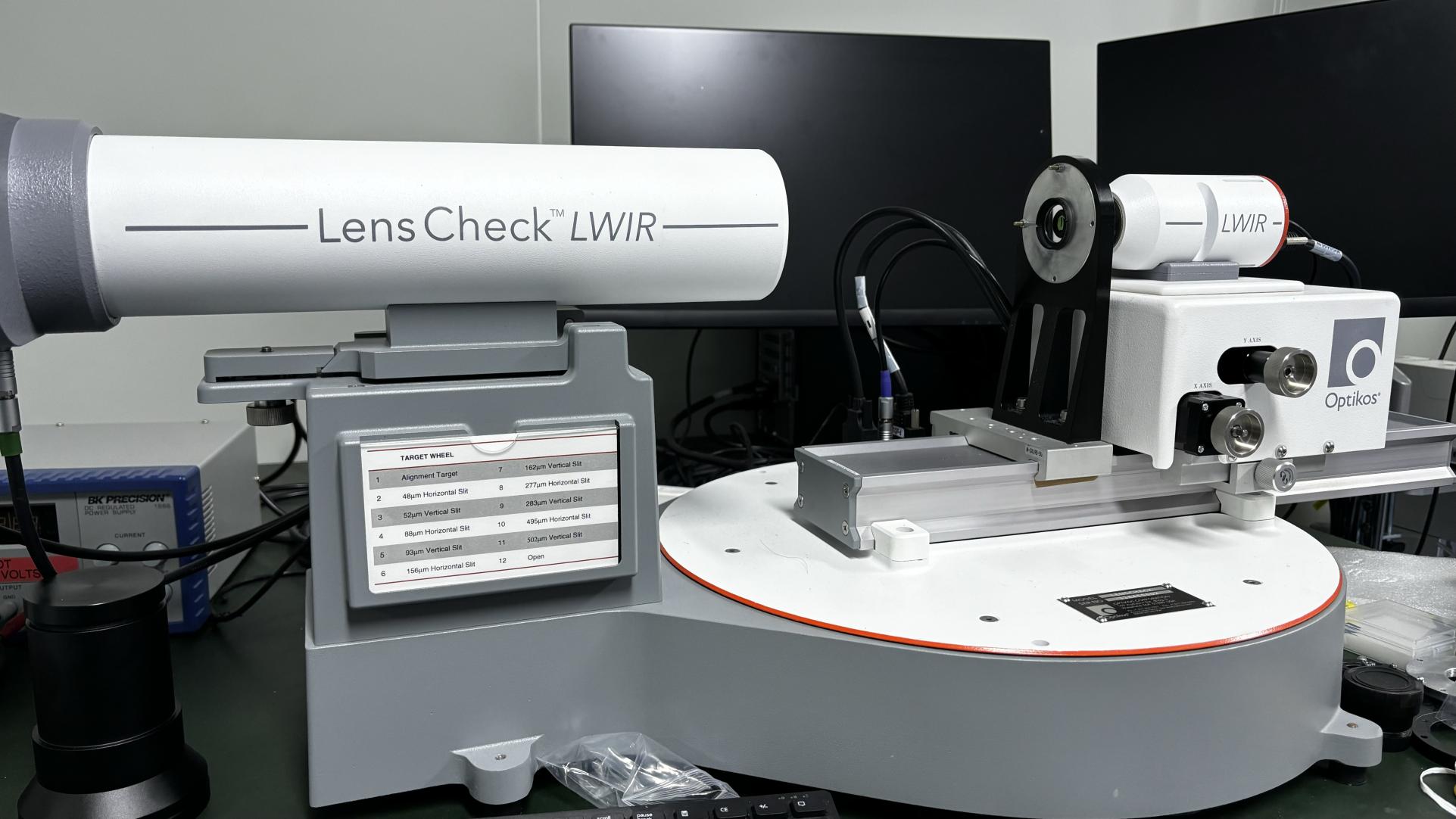
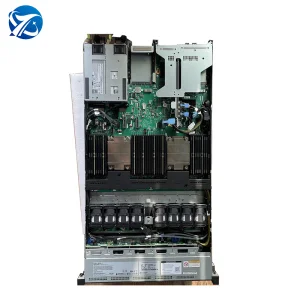
Every server built undergoes testing for performance under full workload stresses. We subject nodes to extended high-heat runs (testing components at elevated temperatures to identify early failures), hardware diagnostic scans, and automated optical inspections. This ensures every motherboard trace and solder joint complies with strict operating standards.
When procuring processors and complete server assemblies from China, buyers should verify the following five steps to protect their investments:
Ensure components fit within your target thermal profile (TDP). High-core-count processors need appropriate cooling solutions to avoid performance throttling under heavy workloads.
Check if the motherboard BIOS/UEFI supports your required virtualization features, container platforms, and operating systems. Look for manufacturers that provide OEM/ODM custom branding and custom boot screens if needed.
Because component markets change rapidly, work with partners that maintain stock of key parts (such as critical memory modules, network cards, and sockets) to avoid deployment delays.
Ask for test reports from high-temperature burns, stress tests, and automated testing (AOI) before shipment. This ensures you receive fully functional units.
Answers to common technical and logistical questions about sourcing CPUs and server hardware from China.
A: Manufacturers test compatibility using standard operating systems and hypervisors (like VMware, Proxmox, and Linux distributions). They also verify layouts against reference designs from Intel, AMD, and ARM, ensuring correct electrical routing and PCIe lane assignments.
A: Pre-configured systems are fully assembled and tested at the system level. This reduces assembly risk and guarantees that the motherboard, cooling system, and power supplies are matched to the CPUs' thermal and power profiles.
A: Quality control teams use ISO 9001-based management systems, conducting hardware diagnostic tests, automated optical inspections (AOI), and multi-hour high-temperature burns under load to detect early failures before products are packed for export.
A: Yes, OEM/ODM manufacturers can adapt systems for specific environments, offering options like liquid cooling loops, high-performance fans, and custom networking interfaces (such as 10G/40G direct-attach cables or fiber interfaces).
A: Top-tier exporters design hardware to meet global regulatory requirements (such as CE, FCC, RoHS). They work with international logistics providers to ensure correct tariff classification and compliance documentation at customs.
Complete your deployment with our range of high-efficiency rack servers, storage systems, and interconnect solutions.