Elvantis
Elvantis
Elvantis
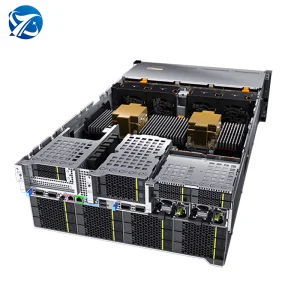
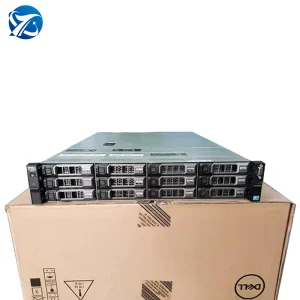
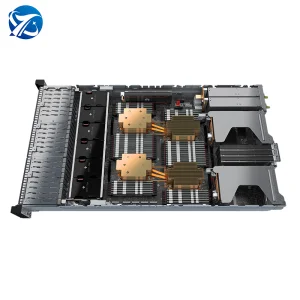
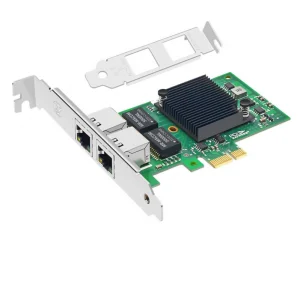
Explore high-performance server computing nodes, enterprise acceleration cards, and ultra-high-speed physical layer links optimized for mission-critical networking environments.
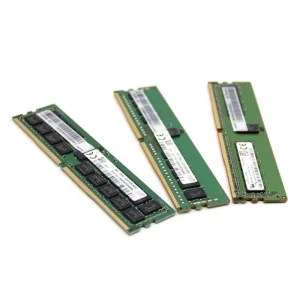
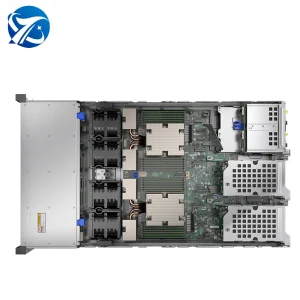
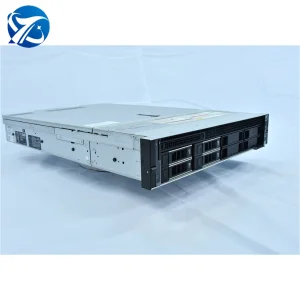
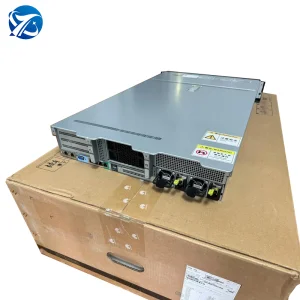
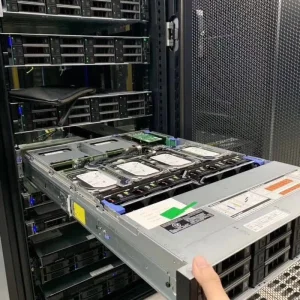
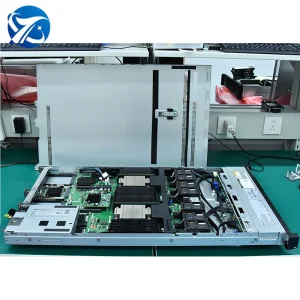
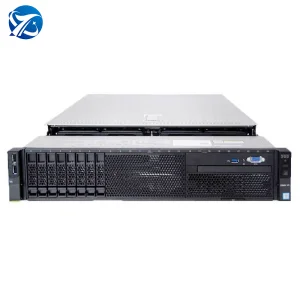
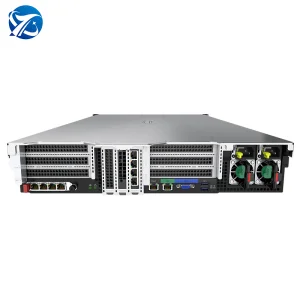
In the era of hyper-scale computing, distributed workloads, and mass-model inference deployments like the DeepSeek-R1 671B parameters model, traditional network architectures are facing extreme throughput limitations. Modern high-speed network switches are no longer merely packet-forwarding components; they function as the critical backbone of scalable AI and data center fabrics. High-performance computing demands non-blocking architectures, dynamic routing, and deep buffering strategies to mitigate congestion during massive sync operations (e.g., AllReduce algorithms).
When deploying clustering solutions, bandwidth requirements scale exponentially. Today’s switches utilize advanced high-density configurations supporting ports running at 100G, 400G, and up to 800G per channel. These speeds rely on advanced physical layer standard interfaces like QSFP28, QSFP56, and QSFP-DD. By utilizing multi-lane transmission, these interfaces guarantee that physical interfaces can cope with internal ASIC throughput capacity.
Furthermore, modern enterprise environments are transitioning towards software-defined control planes, allowing engineers to partition, isolate, and orchestrate network resources dynamically. Dynamic telemetry and end-to-end congestion notification (such as ECN and PFC) are crucial to sustaining low packet loss profiles necessary for lossless storage network access over RDMA-enabled (RoCE v2) systems.
Our networking solutions ensure non-blocking, line-rate performance with optimal thermal properties. Engineered to handle large-scale concurrent operations, they deliver unmatched throughput efficiency across enterprise private clouds and localized edge compute clusters.
Our operational profile demonstrates a commitment to manufacturing excellence, global distribution compliance, and advanced hardware engineering.
Established in 2016, Elvantis Mesh Systems has designed advanced GPU cluster systems and network layers. With 180+ engineering and technical staff, we optimize the network-compute interface.
Our export operations log over USD 12 million annually. By coordinating with over 850 supply partners, we ensure lead-time stability for complex PCB components and structural hardware components.
Operating with 35 dedicated QC professionals, we run comprehensive diagnostics—including automated optical inspection (AOI), high-heat thermal cycling, and high-density throughput testing.
Why regulatory alignment is non-negotiable for enterprise-grade network switches operating in Europe and North American markets.
For high-speed network switches operating in demanding computing environments, CE Certification is not simply a label—it is a proof-of-concept verification regarding electromagnetic shielding, safety, and operational reliability. In Europe, network hardware must comply with the Electromagnetic Compatibility (EMC) Directive 2014/30/EU. Under this directive, switches must prove they do not emit electronic noise that disrupts adjacent hardware (e.g. servers, storage nodes) and must demonstrate resilience against electrostatic discharges.
Equally critical is the Low Voltage Directive (LVD) 2014/35/EU, which enforces strict rules on internal power conversion elements. Modern networking switch models use dual-redundant hot-swappable power supplies to ensure continuous runtime. Ensuring insulation systems, ground leakages, and overload protection comply with these rules prevents operational disruptions and guarantees worker safety.
Furthermore, global deployments mandate adherence to RoHS Directives (Restriction of Hazardous Substances). This ensures that heavy metals and brominated fire retardants are omitted from multi-layer circuit boards, mitigating environmental footprints.
Elvantis Mesh Systems ensures that all exported systems undergo strict pre-shipment tests at accredited laboratories. The certifications guarantee that network hardware can immediately integrate into highly regulated environments without risking deployment compliance audits.
How local clusters, rapid R&D iteration, and vertical component integration translate to tangible advantages for global buyers.
China's component cluster allows us to build prototype solutions, complete PCB modifications, and scale customization projects within weeks rather than months. With 120 new products launched annually, Elvantis meets dynamic market shifts rapidly.
Through our vast network of 850 supply partners, we secure priority allocation for essential components, including network ASIC controllers, high-conductivity copper for DAC cables, and enterprise server cooling fans.
By executing localized assembly, precision SMT printing, and multi-tier QA testing inside centralized facilities, we maximize cost efficiency while maintaining strict engineering tolerances.
How system designers use high-speed switches and server architecture in actual enterprise designs.
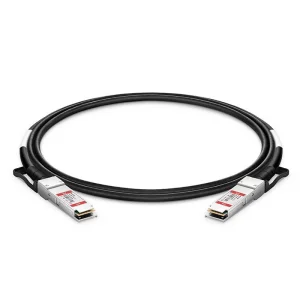
When utilizing platforms for container-ready workloads (such as DeepSeek R1 671B), standard networking solutions fall short. Training clusters require leaf-spine physical layouts. High-speed switches link GPU server compute layers through QSFP+ high-speed direct-attach cables (DACs), facilitating low latency and sufficient bandwidth to handle massive node-to-node memory updates.
Data repositories and NAS configurations need high-capacity pathways. Enterprise units require non-blocking connections to storage servers to execute real-time file updates. Throughput switches prevent latency blocks, enabling media editing teams, financial institutions, and data centers to perform operations smoothly.
Branch offices and edge deployments need modular server designs. Adapting hardware using standard interface cards like the XP270-M2 RAID Controller optimizes storage configurations. When paired with high-performance networking switches, companies build reliable virtual machines capable of functioning reliably at the edge.
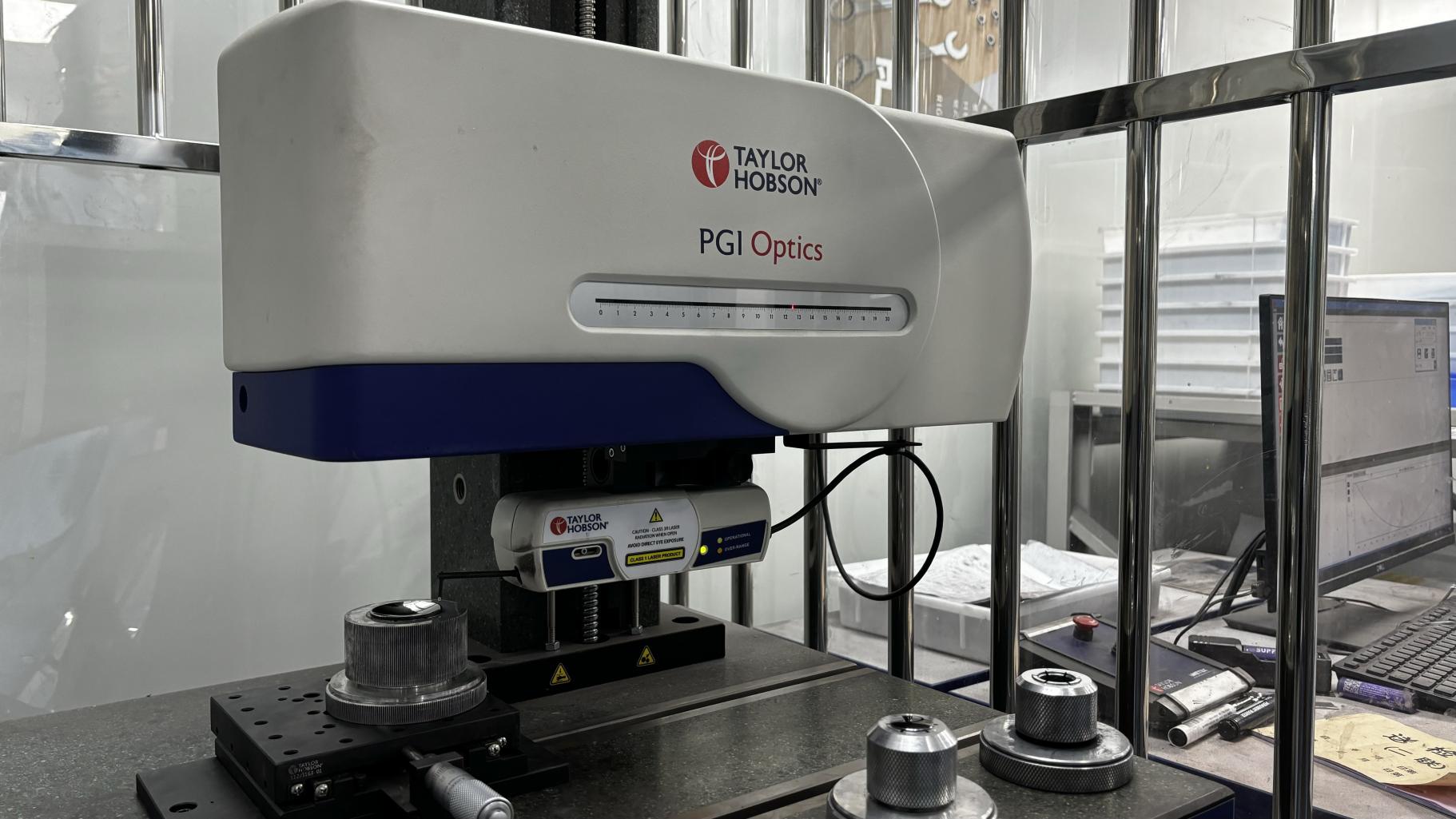
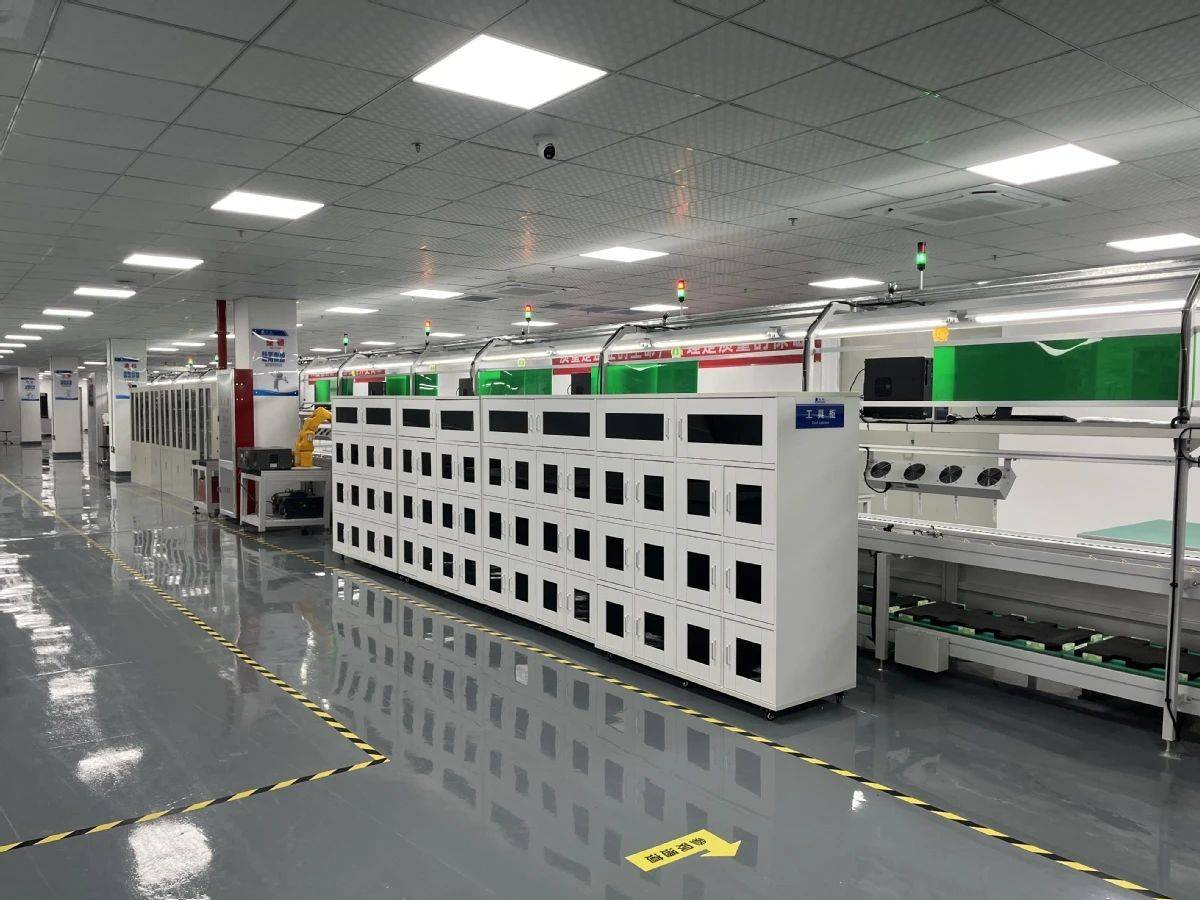
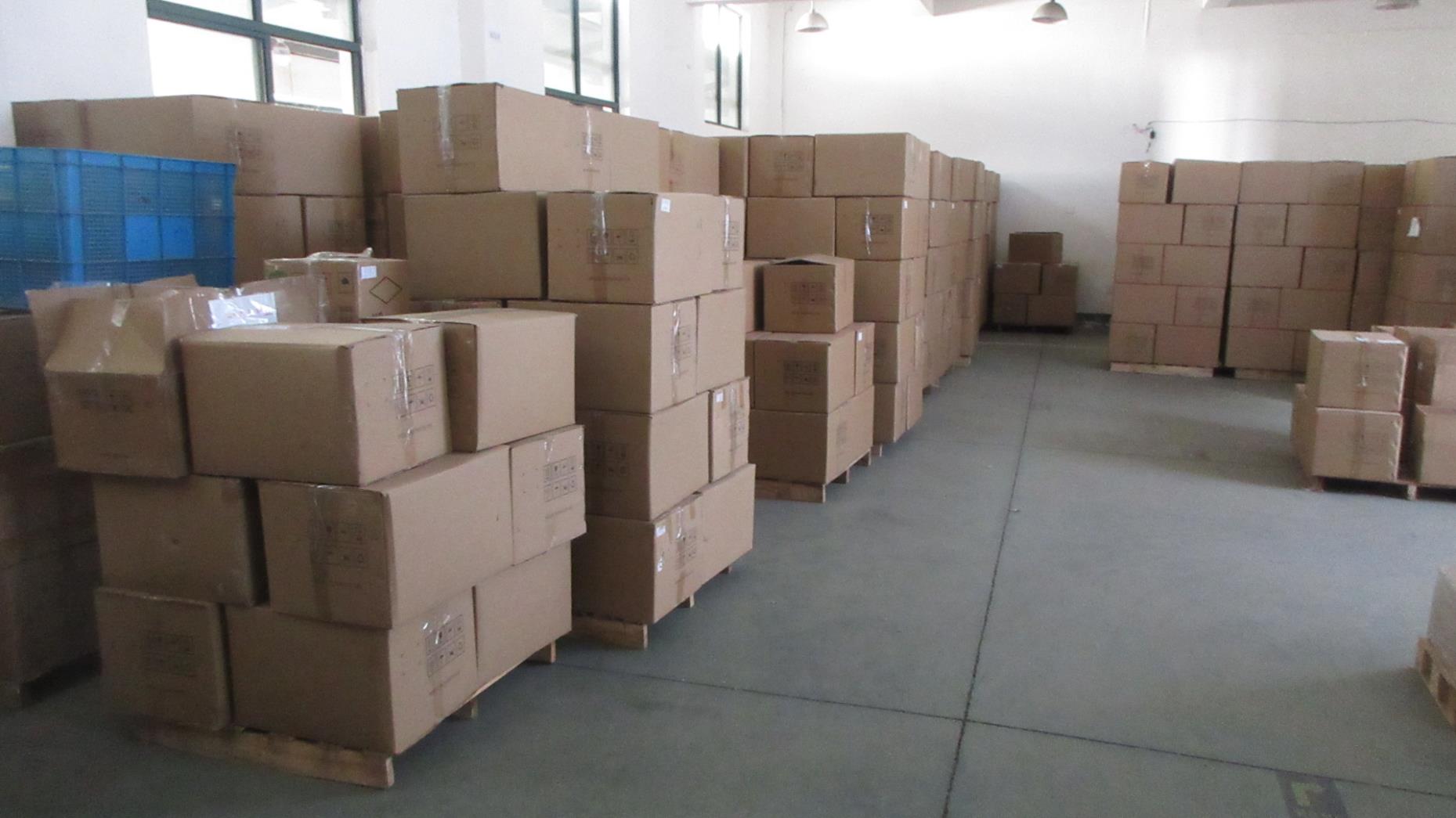
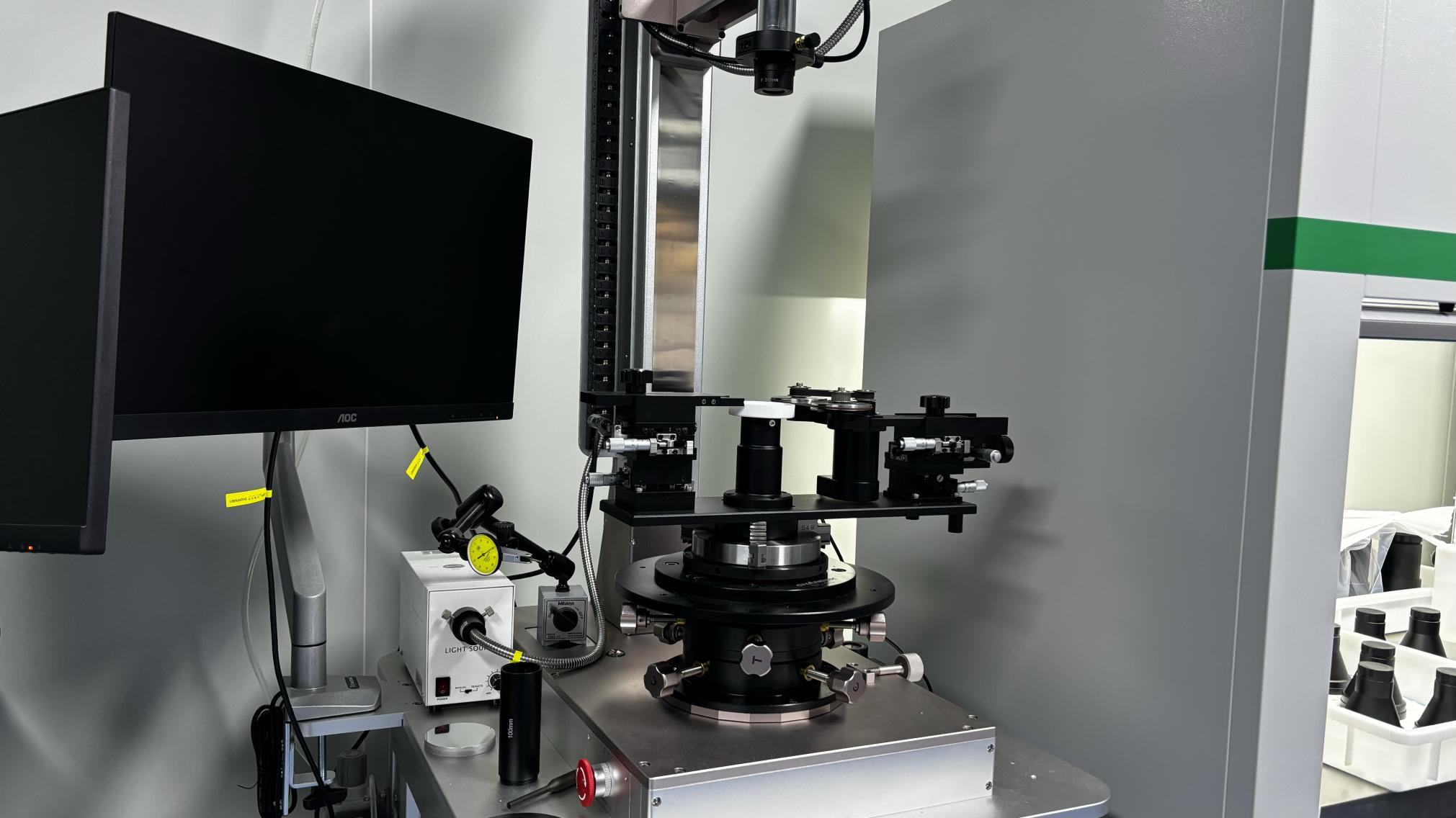
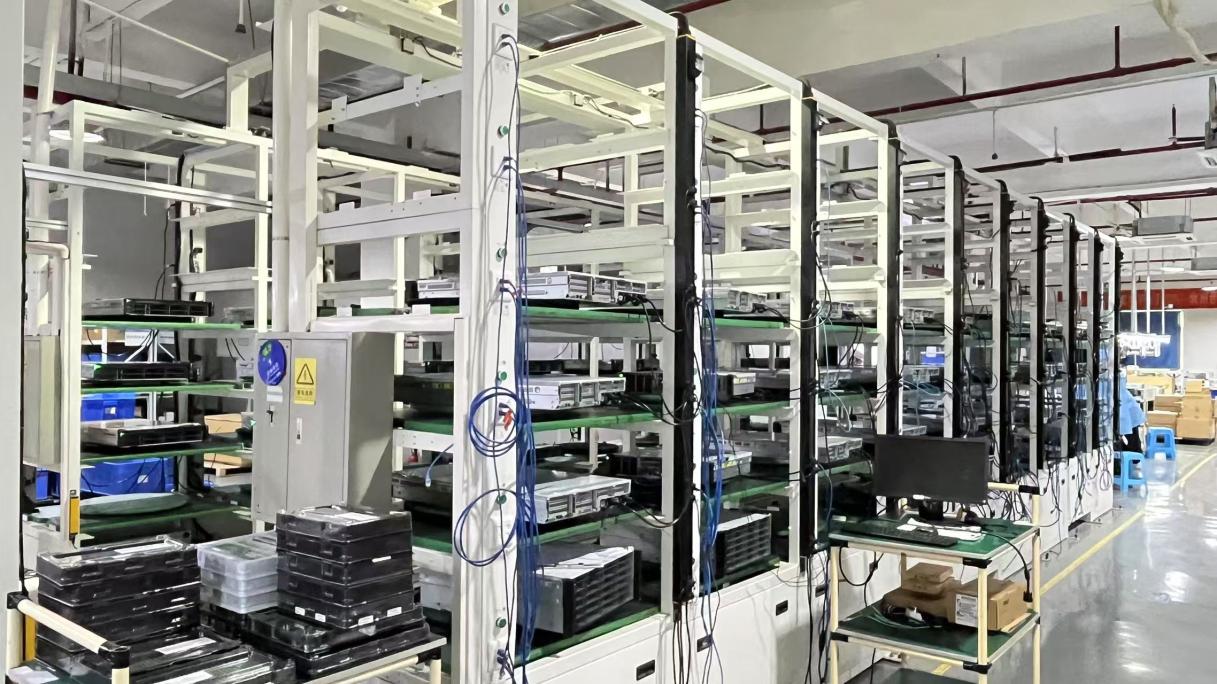
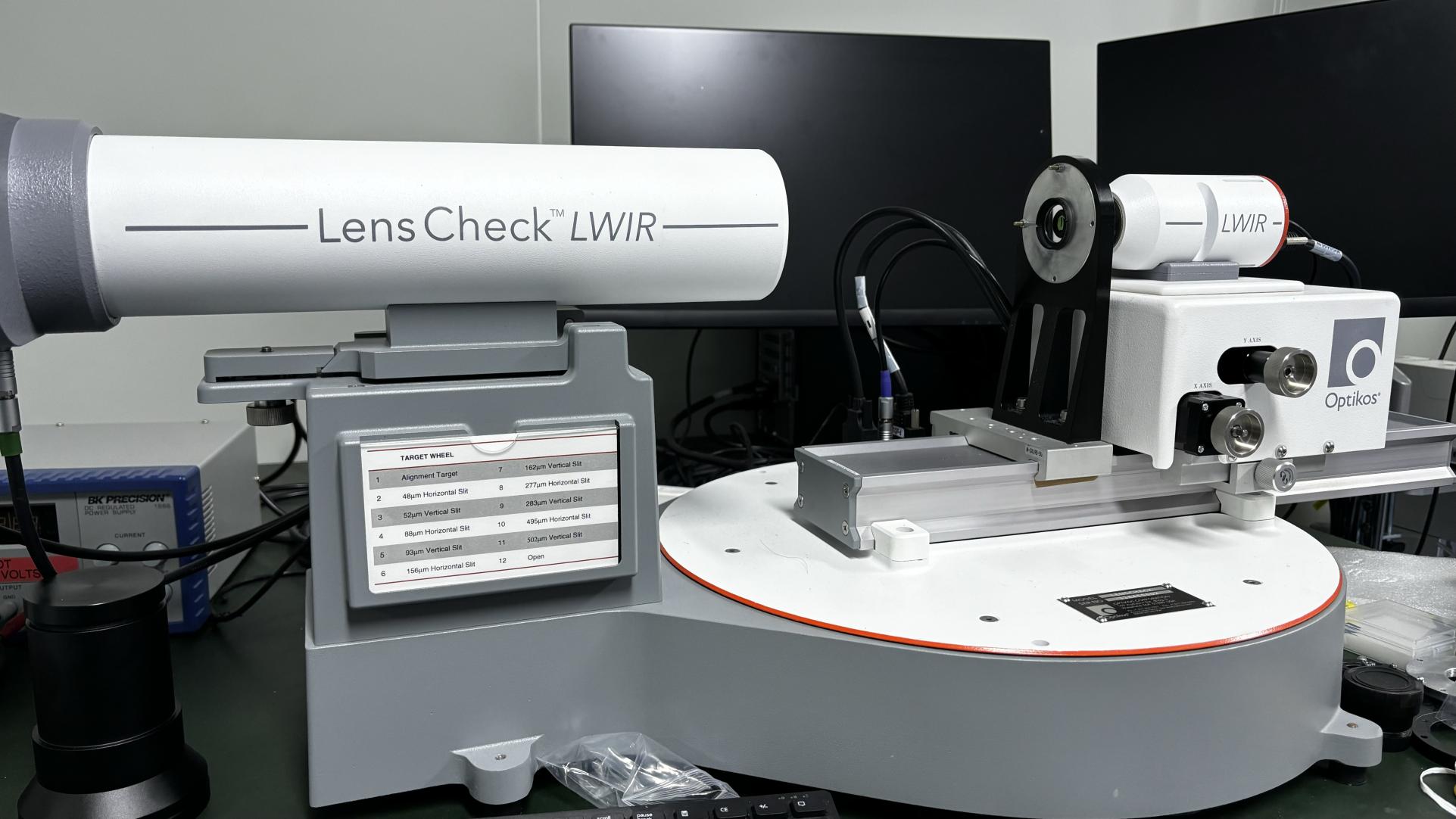
Visual documentation of our R&D laboratories, modern assembly lines, thermal chamber rooms, and export shipping centers.
Providing clear, expert answers to procurement questions concerning network hardware integration and compliance certifications.
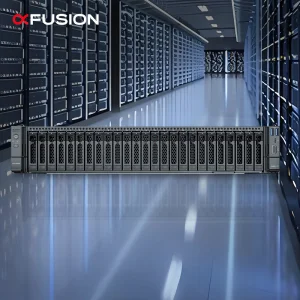
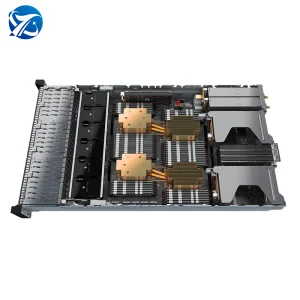
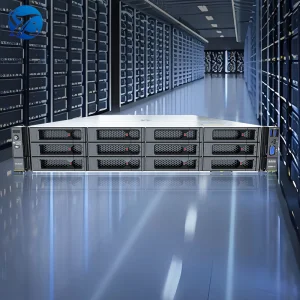
Browse our physical interconnect systems, dense virtualization storage units, and multi-socket servers designed to streamline enterprise workloads.