Elvantis Elvantis

Who Are the Top Machine Learning Server Manufacturers in 2026?

Time:2026-11-22 Author:Oliver
0%

Machine learning is moving from research labs into everyday business systems. That shift makes server selection a practical decision, not just a hardware question. A leading machine learning server manufacturer must balance accelerator performance, memory capacity, cooling, networking, and dependable support. A rack packed with GPUs may look impressive, but heat, power draw, and data movement can limit its real value.

This guide examines the companies shaping the 2026 market. It considers established server brands and specialist providers, comparing the systems they offer for training and inference. The details matter: GPU options, high-speed interconnects, service coverage, and upgrade paths can change the cost of running a workload. No ranking is perfect. Product availability and customer needs vary, and advertised performance does not always reflect results in a real data center.

Michael Dell, chairman and CEO of Dell Technologies, has said, “The cloud is about how you do computing, not where you do computing.” That perspective is useful when assessing machine learning infrastructure: buyers should look beyond the server’s location and examine how it fits their wider computing environment. We will focus on practical strengths, trade-offs, and questions buyers should ask before choosing a vendor. Some comparisons remain imperfect because configurations change quickly. That uncertainty deserves attention, not gloss.
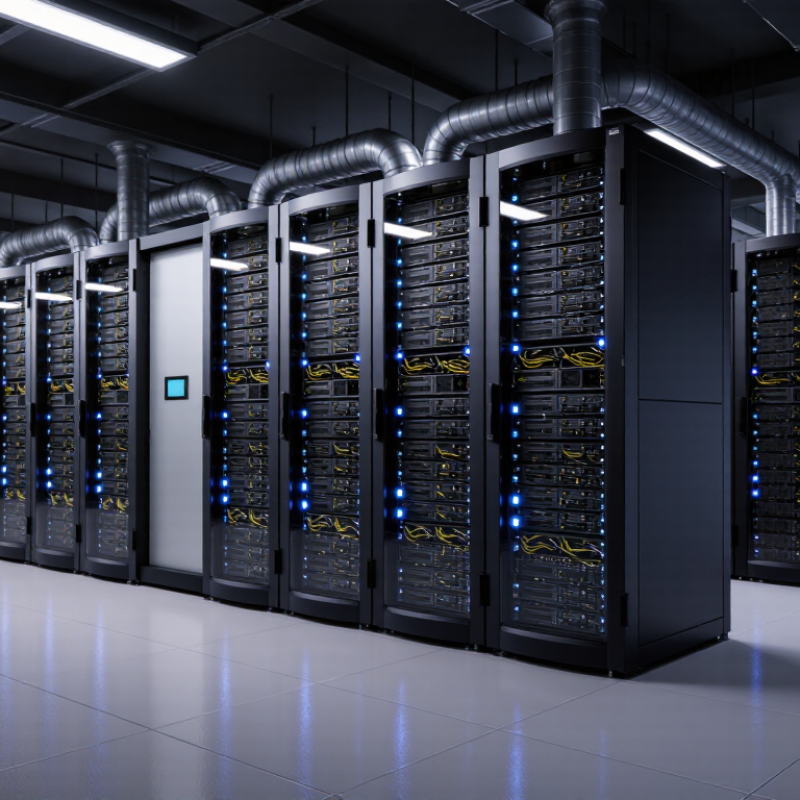
Who Are the Top Machine Learning Server Manufacturers in 2026?

What Defines a Leading Machine Learning Server Manufacturer in 2026?

A leading machine learning server manufacturer in 2026 is defined less by a headline accelerator count than by balanced system design. Compute devices need sufficient high-bandwidth memory, fast storage, and low-latency networking. Otherwise, costly processors may sit idle while data moves. That happens. Look for clear power limits, airflow requirements, supported configurations, and workload-specific test results. A sustained training run can reveal more than a brief peak benchmark. Heat tells the truth.

Reliability also depends on details operators notice after installation: replaceable components, accessible service panels, stable firmware updates, and useful technical support. Ask how the system behaves under continuous load, not only in a showroom demonstration. Measure job completion time, power draw, and cooling noise in the intended room. Small differences matter. A manufacturer should explain trade-offs plainly, including where a configuration may not fit. Published results need context, since model size, precision, and data pipelines can change comparisons. No single server is best for every team; even careful testing leaves some uncertainty. That is worth admitting. A credible supplier helps buyers validate the system against their actual workloads before scaling deployment.

Established Enterprise Vendors: Dell, HPE, Lenovo, and Cisco

Established enterprise vendors remain strong choices for machine-learning servers in 2026 because they support complete data-center environments, not just individual machines. Their platforms typically combine accelerator options, high-speed networking, remote management, and documented support processes. For buyers, that can simplify deployment across existing racks and operating procedures. It matters when a failed power supply or firmware issue needs a clear service path.

Their product strengths differ. Some focus on configurable systems with broad accelerator choices; others emphasize integrated designs, fleet management, or close alignment with enterprise infrastructure. Compare more than peak performance. Check memory capacity, accelerator interconnects, power draw, cooling requirements, and availability of replacement parts. Cooling matters. A server that fits on paper may need more rack space or airflow than the site can provide.

Procurement teams should test representative workloads before committing to large deployments. Measure useful training throughput, inference latency, and energy use under sustained load, rather than relying only on headline specifications. Review support coverage, software compatibility, and upgrade paths with the people who will operate the cluster. Vendor documentation can be thorough, but real configurations still differ, and some planning assumptions may prove optimistic. That is a reason to validate early, not a reason to dismiss established suppliers.

AI-Focused Server Makers: Supermicro, GIGABYTE, and ASUS

Who Are the Top Machine Learning Server Manufacturers in 2026?

AI-focused server makers stand out through their ability to balance compute, cooling, and system reliability. Their platforms often combine high-density accelerators, fast networking, and flexible storage. For buyers, the best option depends on workload size, power limits, and support needs—not headline specifications alone.

A server packed with accelerators can process large models quickly, but it also produces substantial heat. That makes airflow design, liquid-cooling readiness, and rack power planning practical selection criteria. Ask manufacturers for measured performance under your intended workload, not just peak figures. Check memory capacity, expansion options, and component availability, too. Small details matter. A poorly matched network can leave costly processors waiting for data. Even strong systems need careful tuning.

Tips: Request a sample configuration and test it with representative jobs before ordering at scale. Track power draw, temperature, and job completion time. Confirm service response targets in writing. One caution: benchmarks rarely capture every workload, and early estimates can be wrong. Recheck assumptions as your models and data grow.

How Manufacturers Differ in Accelerators, Networking, and System Design

In 2026, comparing machine-learning server manufacturers means looking beyond accelerator counts. The same number of processors can deliver different results when memory capacity, cooling, and software support vary. Some systems prioritize dense accelerator trays for large training runs; others reserve space for general-purpose processors and local storage. That flexibility helps with mixed workloads, but may reduce peak accelerator density. Heat matters. A high-power rack needs planned airflow, cooling capacity, and service access, not just a larger power supply.

Networking can shape performance as much as the processors. Fast links between machines help distribute training tasks, while slower connections can leave expensive accelerators waiting for data. Buyers should check network bandwidth, port count, and the path data takes between storage and compute. System design also affects daily operations: modular trays may simplify repairs, while tightly integrated layouts can save space but complicate upgrades. Specifications rarely reveal every constraint. I would test a representative workload and measure power, temperatures, and job completion time before choosing. Even that test can miss the awkward detail: real workloads change. A design that fits one research team may not suit another.

Who Are the Top Machine Learning Server Manufacturers in 2026?

How manufacturers differ in accelerators, networking, and system design

Accelerator-server designs vary in accelerator integration, network fabric, and chassis topology. This chart shows standardized Ethernet link rates used as reference points for high-speed networking; it is not a manufacturer ranking or a comparison of specific products.

Choosing a Manufacturer for Training, Inference, and Deployment

Choosing a machine-learning server manufacturer starts with workload shape, not peak accelerator count. For training, examine memory capacity, interconnect bandwidth, storage throughput, and sustained cooling during multi-day runs. Request measured results using your model, batch size, precision, and data pipeline. Peak specifications rarely predict real job times. Small details matter. Cable access and replaceable fans can affect maintenance time across a full rack.

Inference changes the priorities. Tail latency, throughput per watt, and performance at low utilization may matter more than maximum training speed. Stanford HAI’s 2025 AI Index reports that inference costs for GPT-3.5-level performance fell more than 280-fold between November 2022 and October 2024. That makes utilization and refresh timing important purchasing questions. The International Energy Agency’s 2025 Energy and AI report projects data-center electricity consumption could reach about 945 terawatt-hours by 2030. Ask for power measurements at realistic request rates, not just peak load.

For deployment, check operating-system and orchestration compatibility, firmware updates, spare-parts availability, and response times for technical support. Run a pilot in the intended rack, with actual network traffic and cooling conditions. Measure recovery after a failed drive or fan, too. These tests take time. A polished demo may still miss a bottleneck in your data pipeline; that’s an easy mistake to make. Ask the manufacturer to document assumptions behind its performance and power figures.

FAQS

Why do established enterprise vendors remain relevant for machine-learning servers?

They can support complete data-center setups, including networking, remote management, and service processes. That helps when a power supply fails.

What should buyers compare beyond accelerator counts?

Check memory, interconnects, power draw, cooling, and replacement-part availability. Peak performance alone can mislead.

Why does cooling need early attention?

High-power racks need suitable airflow, cooling capacity, and service access. A server may fit on paper but overwhelm the room.

How can teams test server performance before a large purchase?

Run representative workloads and measure training throughput, inference latency, energy use, and job completion time. Test under sustained load.

How does networking affect machine-learning performance?

Slow links can leave accelerators waiting for data. Check bandwidth, port counts, and the route between storage and compute.

What trade-offs can system design create?

Modular trays may make repairs easier. Tightly integrated systems can save rack space but complicate upgrades.

What should procurement teams review with operators?

Discuss support coverage, software compatibility, and upgrade paths with the people running the cluster. Their needs may differ from procurement assumptions.

Can one server design suit every workload?

Probably not. Dense accelerator trays may help large training jobs, while mixed workloads may need more processors and local storage.

Are vendor specifications enough to make a decision?

No. Test a realistic workload and check temperatures and power use. Even a good test can miss changing work patterns.

Conclusion

A leading machine learning server manufacturer in 2026 is defined by more than raw computing power. It must offer reliable systems that can support demanding AI workloads, scale as projects grow, and fit into existing data center environments. Important considerations include accelerator options, memory capacity, cooling, power efficiency, and the ability to maintain consistent performance under sustained workloads.

Manufacturers may take different approaches to system design, networking, and deployment support, so the best choice depends on how a server will be used. Training often requires dense accelerator configurations and high-speed connections between systems, while inference may prioritize efficiency, low latency, and flexible deployment. By comparing these factors alongside service, compatibility, and long-term scalability, organizations can select a solution suited to their technical needs and budget.

Oliver

Oliver

Oliver is a seasoned marketing professional with a wealth of expertise in driving brand awareness and engagement. With a deep understanding of our company's product offerings, he consistently delivers high-quality content that enriches our professional blog. His insights not only shed light on......