Elvantis Elvantis

Top AI Server Manufacturers for Global Buyers

Time:2026-09-08 Author:Oliver
0%

Choosing among the top ai server manufacturers requires more than comparing processor counts or promotional benchmarks. Global buyers must examine engineering experience, supply-chain stability, service coverage, and long-term operating costs. A server may look powerful on paper, yet perform poorly if cooling, firmware, or network design is overlooked.

This guide introduces leading manufacturers serving artificial intelligence, machine learning, and high-performance computing markets. It considers GPU server configurations, rack density, liquid-cooling options, storage architecture, and compatibility with major accelerator platforms. Buyers should also review warranty terms, spare-parts availability, deployment support, and data-center requirements before signing a purchase agreement.

Details matter.

A reliable supplier should provide transparent technical specifications, documented testing practices, and realistic performance information. Independent certifications and customer references can strengthen confidence, but they do not replace careful validation. Regional power standards, import procedures, maintenance skills, and response times may change the final decision significantly.

Some rankings remain imperfect. Manufacturer quality can vary by model, region, and delivery partner. A strong brand does not guarantee the best result for every workload. Testing a representative configuration with actual datasets is often wiser than trusting a single benchmark. This overview therefore focuses on practical evaluation, not exaggerated claims, helping infrastructure teams compare established vendors with clearer expectations and fewer costly surprises.
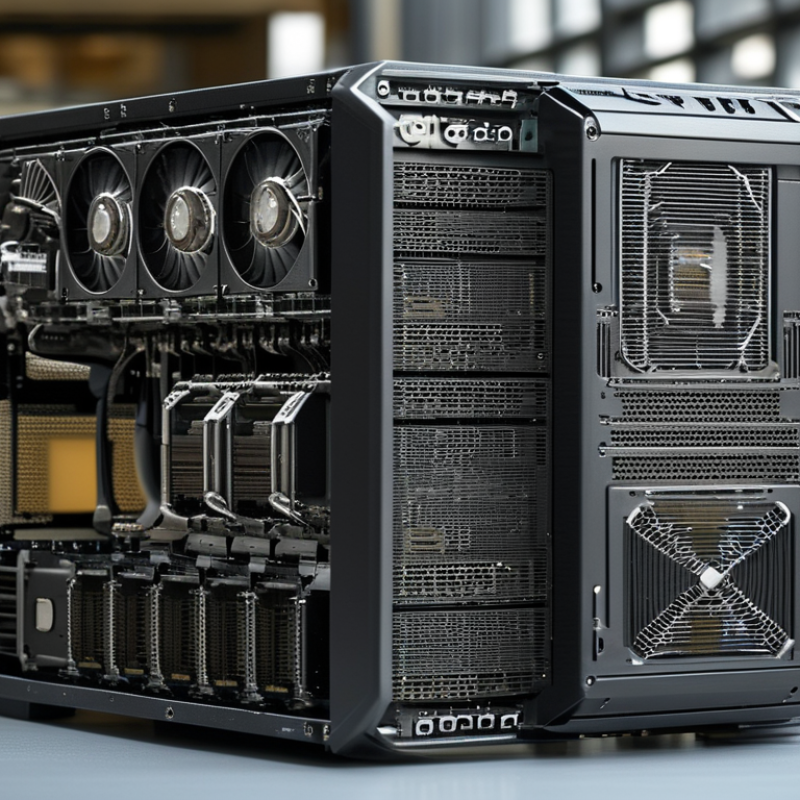
Top AI Server Manufacturers for Global Buyers

AI Server Manufacturers: Roles, Products, and Market Scope

AI server manufacturers play a broader role than assembling high-performance machines. They select processors, accelerators, memory, storage, and high-speed networking components. They also design airflow paths for racks operating under heavy workloads. In real deployments, thermal planning can matter as much as computing speed. A fast server is less useful when it throttles during overnight training.

Their product range usually includes GPU servers, CPU-based systems, dense rack units, and modular platforms. Some manufacturers provide liquid-cooling options for demanding artificial intelligence workloads. Others focus on edge servers for factories, hospitals, or remote data centers. Software validation is another important service. Firmware, drivers, operating systems, and container tools must work together. This process reduces setup errors, although compatibility problems still appear.

Market scope varies across regions and industries. Global buyers should examine local service coverage, replacement-part availability, warranty terms, and energy requirements. Compliance documents and data-center certifications also deserve close review. A low purchase price may hide higher cooling, maintenance, or integration costs. That is easy to miss. From practical procurement experience, performance tests should use the buyer’s own models and datasets whenever possible. Published benchmark results can be helpful, but they rarely reflect every production environment. No checklist is perfect. Manufacturers with transparent testing methods, clear documentation, and responsive technical teams are usually easier to evaluate over several years.

AI Server Architectures and Core Technologies

AI server architecture begins with workload design, not a product catalogue.

Training systems need dense accelerator capacity, fast memory, and high-bandwidth interconnects. Inference servers often prioritize latency, energy efficiency, and predictable response times. That distinction matters.

A modern rack may combine central processors, parallel accelerators, local solid-state storage, and high-speed networking. The interconnect determines how quickly devices exchange model data. Weak communication paths can leave expensive processors waiting.

I have seen deployment plans fail because teams measured compute power but ignored network congestion. Cooling matters. Air cooling suits moderate densities, while direct liquid cooling supports heavier workloads and quieter operation. Power distribution also requires careful planning, especially in facilities with limited electrical capacity.

Reliable manufacturers should explain thermal limits, firmware support, component validation, and service procedures clearly. Buyers should request realistic benchmark results, not only peak theoretical performance.

Security features deserve equal attention, including secure boot, hardware monitoring, access controls, and protected data paths. System compatibility can be imperfect across operating systems, drivers, and orchestration tools. That is normal, but it must be tested early.

A practical evaluation should include sustained training, mixed inference loads, recovery after component failure, and maintenance time. The best architecture is not always the largest one. It is the design that delivers stable performance, manageable costs, and room for measured upgrades.

Leading AI Server Manufacturers by Global Market Position

Global AI server leadership is shaped by more than annual sales. The strongest manufacturers usually combine advanced system design, reliable supply chains, and worldwide service networks. Their market position often reflects shipment volume, installed capacity, technology partnerships, and long-term customer support. Large-scale cloud providers may prefer customized platforms, while universities and research centers often need flexible systems with predictable maintenance.

Performance still matters. Buyers should examine accelerator compatibility, memory bandwidth, cooling design, power efficiency, and rack density. A server can look powerful in a specification sheet yet perform poorly under constant workloads. Field experience shows that thermal stability and replacement speed often matter more than peak benchmark results. Market rankings are useful, but never perfect. Regional demand, reporting methods, and product availability can change the picture quickly.

Tips: Compare three vendors using the same workload tests. Check service coverage near your data center. Request evidence of delivery performance and warranty response times. Ask about upgrade paths, because today’s leading configuration may age quickly. Also review operating costs, including electricity, cooling, software, and technician support. A lower purchase price may create higher expenses later. Buyers should remain practical and slightly skeptical; even reputable manufacturers can have uneven support across regions.

Top AI Server Manufacturers for Global Buyers - Leading AI Server Manufacturers by Global Market Position

Anonymized comparison of leading AI server manufacturer profiles based on publicly documented enterprise AI server configurations and global market coverage

Market Position Manufacturer Profile Primary Competitive Strength Typical Accelerator Capacity per Server Typical CPU Socket Count High-Speed Networking Options Liquid-Cooling Availability Common Deployment Scale Global Buyer Suitability
Tier 1 Global-scale AI infrastructure specialist Large-scale production capacity, broad international support, and mature reference designs 4–8 high-performance accelerators 2 200–800 Gb/s Ethernet or InfiniBand-class fabrics Available for selected platforms Enterprise clusters and hyperscale data centers Very high
Tier 1 Diversified enterprise server manufacturer Strong integration of AI servers with storage, virtualization, security, and conventional data-center systems 2–8 high-performance accelerators 1–2 100–400 Gb/s Ethernet; higher-speed options on premium systems Optional or platform-dependent Corporate AI, research, and private-cloud environments Very high
Tier 1–2 ODM and hyperscale design specialist High-volume customization, efficient direct-to-data-center delivery, and flexible system architecture 4–8 high-performance accelerators 2 200–800 Gb/s Ethernet or InfiniBand-class fabrics Common in high-density systems Hyperscale, colocation, and dedicated AI clusters High
Tier 2 Regional enterprise AI server provider Localized technical support, regional compliance knowledge, and project-based configuration 1–4 high-performance accelerators 1–2 25–200 Gb/s Ethernet Limited or optional Universities, laboratories, SMEs, and regional cloud providers Medium to high
Tier 2–3 Specialized workstation and compact AI system builder Fast deployment, lower entry cost, compact form factors, and suitability for model development 1–4 accelerators 1–2 10–100 Gb/s Ethernet Rare; advanced air cooling is more common Development teams, inference servers, and edge facilities Medium

Note: The technical figures represent commonly documented configuration ranges for current enterprise AI server classes. Actual specifications, availability, delivery schedules, power requirements, and support coverage vary by system configuration, region, and procurement agreement.

How to Evaluate AI Server Suppliers and Product Quality

For global buyers, evaluating an AI server supplier requires more than comparing prices. During supplier assessments, I examine factory processes, engineering skills, and after-sales support. Ask how the supplier traces processors, memory, storage, and power units. Reliable suppliers can explain production lead times clearly. They also provide burn-in test records, inspection procedures, and warranty conditions. Product quality appears in details, such as stable temperatures, clean cable routing, and accurate firmware documentation.

Tips: Request a sample unit before placing a large order. Run sustained AI workloads for several hours. Monitor GPU temperatures, power use, fan noise, and system errors. Check whether replacement parts are available in your region. Do not trust a polished brochure.

Performance figures need careful verification. Ask for test conditions, model versions, cooling settings, and workload sizes. A high benchmark score may hide poor stability or excessive energy use. Review safety certifications and electromagnetic compliance documents from recognized testing bodies. Confirm that documents match the exact server configuration, not an older model. Speak with technical staff, not only sales representatives.

I once focused too heavily on peak computing speed. That was a mistake. Long-term reliability mattered more than a short benchmark result. A dependable supplier shares failure data, responds to difficult questions, and accepts reasonable independent testing. Still, no evaluation is perfect. Recheck assumptions after installation, especially when operating servers in a different climate or power environment.

International Purchasing, Compliance, and After-Sales Support

For global buyers, an AI server is more than a processor, chassis, and delivery date. The 2024 Worldwide AI and Generative AI Spending Guide forecasts global AI spending above 632 billion dollars by 2028. That growth increases pressure on cross-border procurement teams. They must verify product origin, tariff codes, power standards, and export documentation before payment. Compliance files should include safety test reports, electromagnetic compatibility results, environmental declarations, and regional certification records. A missing document can delay customs clearance for days.

After-sales support needs equal attention. The 2024 Global Data Center Survey identifies outages as a continuing operational concern, with more than half of surveyed operators reporting one within three years. Buyers should request clear response times, remote diagnosis procedures, replacement-part locations, and engineer coverage by region. A useful service agreement names the escalation contact and defines repair, replacement, and transport responsibilities. Keep spare fans, power modules, and storage devices near the deployment site. Small details matter.

I have seen purchasing plans focus heavily on benchmark scores. That is understandable, but incomplete. A fast server with unclear warranty limits can become an expensive idle asset. Buyers should test support communication before signing. Ask practical questions. Who answers at 2 a.m.? Can firmware updates be verified? Are local technicians qualified? Forecasts can change, and supplier promises can sound better than daily service. A careful review should leave room for doubt.

FAQS

: What do

I server manufacturers actually do?

What types of AI servers are available?

Common options include GPU servers, CPU systems, dense rack units, and modular platforms. Some models support liquid cooling.

Why is thermal planning important?

Heavy workloads create substantial heat. A fast server may throttle during overnight training without proper cooling.

Do manufacturers provide software support?

Many validate firmware, drivers, operating systems, and container tools together. This reduces setup errors, but compatibility problems can remain.

How should buyers compare server performance?

Test several systems with the same models and datasets. Published benchmarks help, but they may not match production workloads.

What service factors matter after purchase?

Review local support, replacement-part availability, warranty terms, and response times. A delayed replacement can interrupt training for days.

Can a low purchase price become expensive?

Yes. Electricity, cooling, software, maintenance, and technician support may raise total ownership costs.

What should buyers check before choosing a manufacturer?

Examine cooling design, memory bandwidth, power efficiency, rack density, delivery records, and upgrade paths. No checklist is perfect.

Conclusion

This guide explains the role of AI server manufacturers in supplying high-performance infrastructure for model training, inference, data processing, and enterprise computing. It introduces major server architectures, including GPU-accelerated, CPU-based, modular, and distributed systems, while highlighting core technologies such as high-speed interconnects, advanced cooling, memory capacity, storage performance, and intelligent resource management. It also outlines how the top ai server manufacturers are assessed by global market position, engineering capability, production scale, customization options, and reliability.

For international buyers, the guide provides practical criteria for evaluating suppliers and product quality, including component consistency, testing procedures, certifications, energy efficiency, delivery capacity, and technical documentation. It further discusses international purchasing considerations such as import requirements, regional compliance, warranty terms, installation services, remote assistance, spare parts availability, and long-term after-sales support. Together, these factors help organizations select dependable AI server partners that match their performance needs, budget, deployment environment, and global procurement goals.

Oliver

Oliver

Oliver is a seasoned marketing professional with a wealth of expertise in driving brand awareness and engagement. With a deep understanding of our company's product offerings, he consistently delivers high-quality content that enriches our professional blog. His insights not only shed light on......